


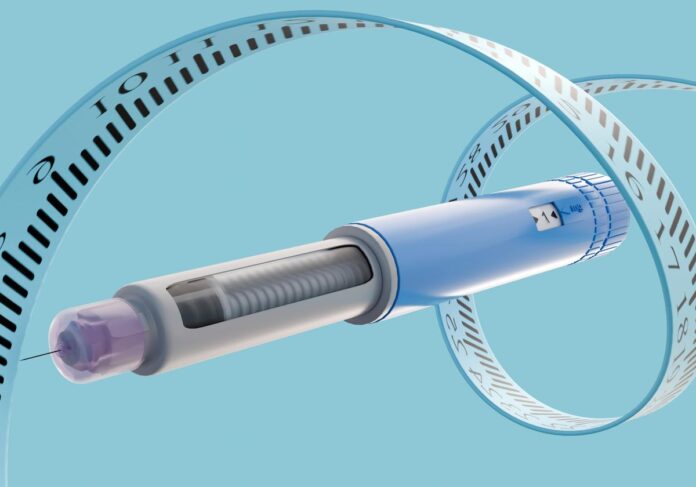
A recent large-scale analysis showed that one year after stopping popular weight-loss drugs (Ozempic, Wegovy), people regain an average of 60% of the weight they lost. However, there is also good news: weight gain stops at a certain stage and patients manage to maintain 25% of the lost mass in the long term.
The study was conducted by a research team from Trinity College, University of Cambridge. The scientists used a meta-analysis method, through which they studied 48 different scientific papers in detail, including 36 randomized controlled trials, covering data from more than 3,200 people in total.
Research findings: Why do they gain weight after stopping the drug? Scientists compare these drugs to an appetite “brake.” While you are taking the medicine, the brake works and you eat less. When you stop taking it, this brake is released, leading to rapid weight gain.
The most noteworthy part of the study concerns body composition. During weight loss, a person loses 40-60% of muscle mass along with fat. Scientists fear that when weight returns, the body may only fill with fat. If muscle is not restored, a person’s health condition (metabolism) may become worse compared to the period before weight loss.
Statistical data shows that most patients, due to side effects or high cost, stop taking the drug sooner or later, which is why experts recommend a complex approach. It is important to remember that the medication is only a supportive tool and not the final solution. To maintain the results for a long time, regular physical activity is necessary, and strict control of the diet gains critical importance even after stopping the drug.
