


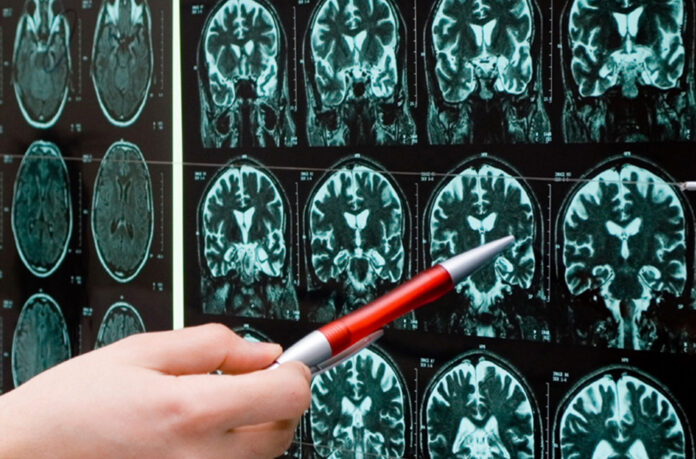
According to a new study published in The New England Journal of Medicine, experimental gene therapy reduced the number of monthly seizures by more than 90% in three patients with drug-resistant epilepsy.
The innovative method, known as chemogenetics, combines viral vectors injected directly into the brain with a specific medication. Unlike traditional gene therapies, this approach allows doctors to adjust the intensity of treatment through medication dosage.
The participants in the clinical trial had been diagnosed with epilepsy 10–25 years earlier and had developed resistance to at least two medications. They experienced an average of two to four seizures per month. In their cases, the underlying cause of the disease was hippocampal sclerosis (scar tissue affecting one side of the brain’s hippocampus).
Led by neurosurgeon Yang Dai of Capital Medical University in Beijing, the researchers used adeno-associated virus 9 (AAV9) to deliver a specially engineered gene to the affected area of the brain. This gene instructs excitatory neurons to produce receptors that bind to a specific medication, clozapine. Clozapine acts as a kind of “switch”: it activates these receptors and suppresses the activity of targeted neurons, thereby preventing the abnormal electrical impulses that trigger seizures.
Two weeks after surgery, the patients began taking low doses of clozapine every eight hours. Within approximately two months, the monthly seizure rate in two patients dropped from 4.5 to 0.5, while the third patient’s seizures decreased from four per month to zero. Notably, when one patient unexpectedly stopped taking clozapine, they experienced two recurrent seizures. However, the seizures stopped again as soon as the medication was resumed.
Matthew Walker, a neurologist at University College London (UCL), described the achievement as impressive but urged caution. He noted that the study was small and had no control group. The expert also highlighted the potential risks associated with long-term use of clozapine, an antipsychotic medication, as high doses may cause cardiovascular complications.
“In the future, we hope that better medications will be developed for this type of treatment,” Walker said.
The study’s authors explain that because the therapy is delivered directly into the brain, the required viral dose is considerably lower, minimizing the risk of severe immune reactions.
According to Olivia Kim-McManus, a neurologist at the University of California, San Diego (UC San Diego), although the new gene therapy requires surgery, it is considerably less invasive than existing alternatives for managing drug-resistant epilepsy, such as removing or destroying the brain region responsible for triggering seizures with a laser. Scientists believe that this unique combination of surgery and gene therapy opens up entirely new possibilities for managing neurological conditions that have so far been considered incurable.
