


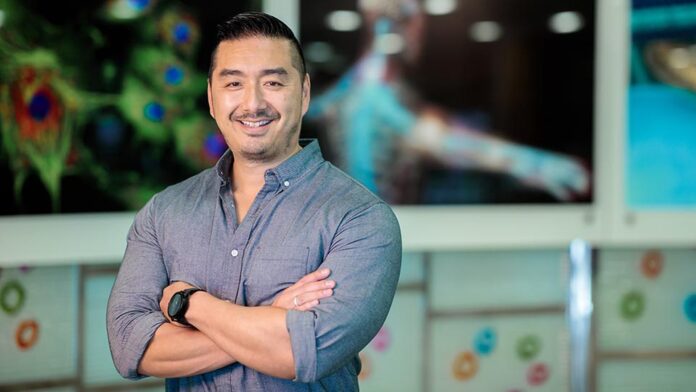
Most people assess their health once a year during routine medical check-ups, which provide only a static snapshot of the body’s condition. However, a new study from the National University of Singapore (NUS Medicine)—in which Professor Dean Ho conducted an experiment on himself—completely transforms our traditional perception of health and longevity.
The study, named DELTA, is based on the idea that every individual has their own biological baseline that fluctuates continuously depending on age, stress, sleep, nutrition, and exercise. To observe physiological changes in real time, the 47-year-old professor radically altered his daily lifestyle. His regimen included approximately 20-hour daily fasts, periodic 48-hour fasts, 90 minutes of resistance or cardio training every morning, and a Mediterranean-style diet (green leafy vegetables, seeds, olive oil, and lean protein). Allowed beverages were strictly limited to water, electrolytes, unsweetened black coffee, and sugar-free, milk-free tea.
According to data published in the journal PLOS ONE, a custom-built Artificial Intelligence (AI) system designed specifically for this study determined the professor’s biological age to be 32—which is 15 years younger than his chronological age. Unlike traditional methods that calculate biological age using single-point laboratory analyses, the AI system continuously measured the body’s molecular and physiological response to stress (biological resilience) in real time.
The lifestyle modification led to other significant physiological improvements as well. For instance, his metabolic switching time (the time required for the body to transition from glucose to fat as its primary energy source) dropped from 24 to 16.5 hours, whereas for individuals of his age group, this process typically takes 36 to 72 hours on average. Additionally, his resting heart rate decreased from 65 to 46 beats per minute (bpm), sleep duration increased from 5 to 8 hours, and gut microbiome diversity and health improved markedly.
“We started this study to understand what happens between annual check-ups. Our objective is to look beyond static markers and focus on how the body functions and adapts in real time. Health is a continuous narrative, not just a single snapshot,” states Professor Dean Ho.
Researchers hope that DELTA will help individuals move away from one-size-fits-all routines and instead tailor their lifestyles in a targeted, personalized manner using continuous health data.
