


A historic cardiosurgical operation was carried out at the Geneva University Hospitals (HUG): for the first time in Europe, a 12-year-old patient with congenital heart disease underwent a partial heart transplant.
This extremely complex surgical technique involves transplanting only the damaged structures (specifically, the aortic and pulmonary valves) from a donor heart. As a result, the patient’s own heart muscle is preserved.
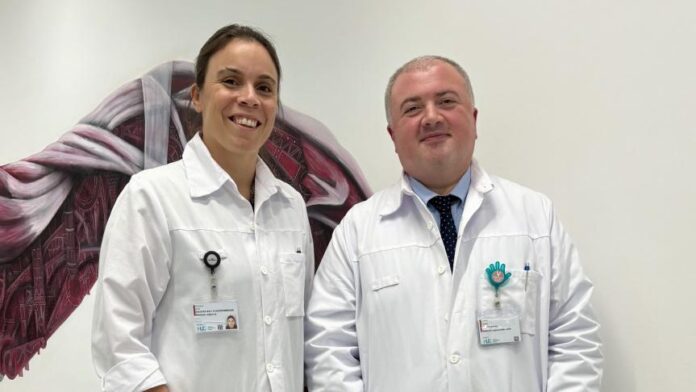
This revolutionary procedure was successfully performed by the Georgian pediatric cardiac surgeon, Dr. Tornike Solagashvili, at the initiative of pediatric cardiologist, Dr. Julie Wacker.
The main advantage of the partial heart valve transplantation performed by Solagashvili is the use of living biological tissue instead of artificial components. This ensures that the transplanted valves will grow with the teenager’s physical development, unlike conventional artificial valves, which do not grow and require multiple surgical interventions. Thus, this kind of operation is the best solution as it will be the only one in the patient’s life, eliminating the need for repeated, complex operations.
Dr. Wacker explained that preserving the patient’s own heart muscle significantly reduces the risk of transplant rejection and the need for immunosuppressive treatment.
“The successful, five-hour operation is the result of exemplary cooperation between multiple medical disciplines,” noted Dr. Tornike Solagashvili.
The young patient suffered from a complex cyanotic congenital heart defect, specifically Truncus Arteriosus. Due to this pathology, the patient had a history of multiple surgical corrections using biological prostheses. The main problem with these prostheses is their structural degradation over time, which leads to valvular dysfunction and necessitates repeated surgical reinterventions.
The selection of the Partial Heart Transplant (PHT) procedure in this case was made to provide the patient with a definitive, long-term solution that would eliminate the need for multiple operations and the complications associated with them. According to postoperative data, the patient’s clinical condition is stable and satisfactory.
Since 2022, the PHT procedure has been primarily in the research phase, with only 30 recorded cases of its use, all of which were exclusively in the United States. This operation, performed by the Georgian cardiac surgeon at the Geneva University Hospitals (HUG), marks the first PHT procedure in Europe.
Ultimately, this is a significant step forward in pediatric cardiac surgery, offering new curative possibilities for patients with congenital cardiovascular diseases.
