


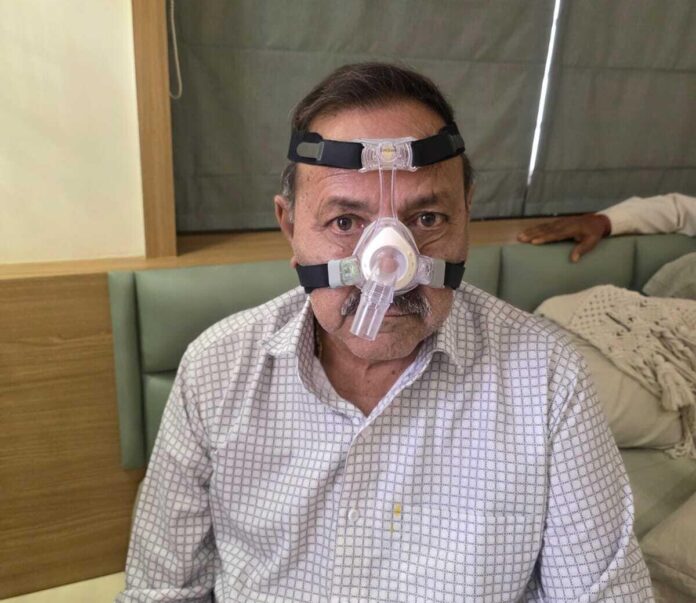
In modern medicine, it is common for specialists from different fields to treat a patient’s symptoms in isolation, often failing to see the complete clinical picture. A striking example of this recently emerged from India, where an Artificial Intelligence model (Claude) identified links between nephrology, neurology, and pulmonology that qualified doctors had overlooked for 25 years.
The Case Background
The case involved a 62-year-old patient with a history of kidney failure, diabetes, and hypertension, who had suffered from debilitating headaches for decades. As it later turned out, the defining characteristic of the pain was its positional nature. The migraine attacks occurred only when the patient assumed a horizontal position to sleep. Despite numerous consultations with neurologists and nephrologists, and even undergoing brain MRI scans, doctors attributed the symptoms to dialysis-related fatigue or age-related changes.
How AI Solved the Puzzle
The situation changed radically after a relative of the patient shared the entire medical history and test results with AI. Based on a systemic analysis of the data, the Claude model highlighted several key factors that completely shifted the diagnostic direction.
First, the AI focused on the positional pattern of the pain. It noted that the horizontal position was the sole trigger for the migraines, which often indicates dysfunctional airway behavior. Furthermore, the system identified a statistical correlation showing that nearly half of patients on dialysis suffer from undiagnosed Sleep Apnea.
By cross-referencing the patient’s 25-year history of loud snoring (confirmed by the family) with the STOP-BANG diagnostic questionnaire—which indicated a high risk of sleep-disordered breathing—the AI provided a precise diagnostic lead. A clinical study conducted based on this data officially confirmed the diagnosis of Sleep Apnea.
Results and Treatment Efficacy
Specialized testing fully validated Claude’s hypothesis. The results revealed that the patient’s breathing stopped 119 times per night, with blood oxygen levels dropping to a critical 78%. The 25 years of loud snoring and chronic fatigue were not signs of aging, but symptoms of severe sleep apnea, which in turn exacerbated hypertension and increased the risk of stroke.
Upon using a CPAP machine (Continuous Positive Airway Pressure), the patient’s headaches disappeared completely. Remarkably, a device costing approximately 30,000 Indian Rupees (around $350) solved a problem that years of expensive specialist visits could not resolve.
