


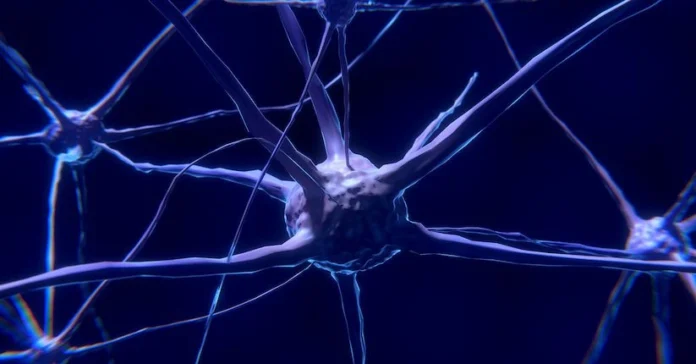
Scientists at the University of Virginia (UVA) have developed an experimental drug that not only halted the progression of paralysis and vision loss in mice with a model of multiple sclerosis (MS), but also restored lost neurological functions. The finding is particularly significant because existing therapies are primarily designed to prevent future inflammatory attacks and cannot restore functions that have already been lost.
According to a study published in Science Translational Medicine, the drug, called Kamuvudine K-9, is a derivative of medications already approved for the treatment of HIV infection. Laboratory studies showed that K-9 successfully protects nerve fibers and their myelin sheath, which is damaged by multiple sclerosis. In addition, the drug halted the rise in blood levels of NfL, a key biomarker of nerve damage.
Notably, as part of the study, the researchers also analyzed health insurance data from more than 3 million people. They found that patients taking the standard HIV medications known as NRTIs had a 41% lower risk of developing multiple sclerosis and a 36% lower annual rate of disease exacerbation. According to study author Dr. Jayakrishna Ambati, the new drug, K-9, blocks a key pathway involved in inflammation — known as inflammasome activation — and represents a much safer and more effective alternative to NRTI drugs.
“Most medications are aimed at preventing the next attack. What is truly remarkable about K-9 is that it not only prevents neurological deterioration but also restores functions that have already been lost. We believe there is a strong basis for testing this approach directly in patients,” Ambati said.
K-9 is currently undergoing clinical trials for various eye diseases, including diabetic macular edema, which could accelerate its testing for multiple sclerosis. The researchers emphasize that the drug remains experimental at this stage. Nevertheless, scientists hope that the approach could eventually prove effective in treating other neurodegenerative diseases, including Alzheimer’s disease, Parkinson’s disease, and amyotrophic lateral sclerosis (ALS).
