


At the European Days of the French Society of Cardiology (JESFC 2026), experts conducted a detailed review of popular dietary trends. They evaluated omega-3 supplements, the ketogenic diet, intermittent fasting, and public concerns regarding sugar consumption from a scientific perspective. The speakers addressed the latest clinical trials, common myths, and the sharp divergence between popular trends and real scientific evidence.
This issue is of particular importance because cardiovascular diseases cause millions of deaths annually. Patients often follow unsubstantiated advice spread on social media, while modern medicine recognizes only evidence-based practice.
The Effect of Fish and Dietary Supplements
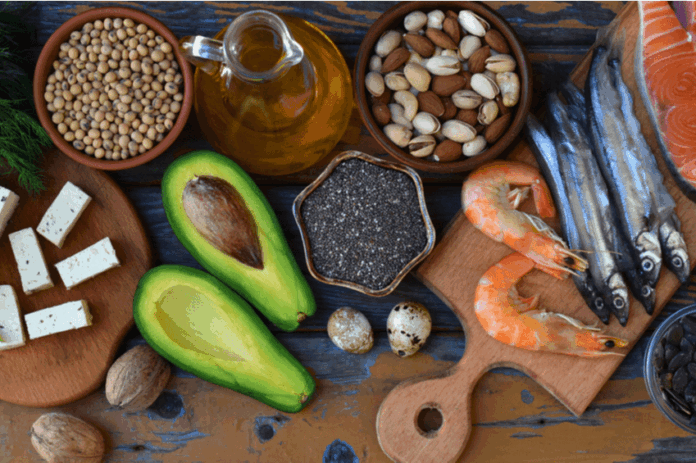
François Paillard, head of the Cardiac Prevention Center at Rennes University Hospital, discusses the role of omega-3 fatty acids. The primary sources of alpha-linolenic acid include flaxseeds, walnuts, chia seeds, and rapeseed oil. Eicosapentaenoic acid (EPA) and docosahexaenoic acid (DHA) are found in fish and fish oil.
According to the data presented by Paillard, consuming fish twice a week significantly reduces cardiovascular complications and mortality rates. However, for disease prevention, low-dose supplements (1 gram per day) are not effective, except in cases where the patient completely excludes fish from their diet.
The picture changes sharply with the use of high-dose EPA. The European Society of Cardiology (ESC) 2025 guidelinerecommends the intake of 2 grams of EPA twice daily for high-risk patients. This recommendation specifically applies to patients who maintain high triglyceride levels despite statin therapy. Nevertheless, François Paillard also draws attention to the risk of developing atrial fibrillation, as excessive dosing of supplements significantly increases the risk of this pathology.
Ketogenic Diet and Intermittent Fasting
Claire Carette, a nutritionist and diabetologist at the Georges Pompidou European Hospital in Paris, evaluated the effectiveness of the ketogenic diet and intermittent fasting. The ketogenic diet involves a strict restriction of carbohydrates and an excessive intake of fats. The only scientifically substantiated indication for this method is the treatment of refractory epilepsy in children.
According to the latest data, in terms of long-term weight loss, the ketogenic diet is equal to other dietary regimens. Although it does not directly increase the risk of cardiovascular diseases, the Mediterranean diet is significantly superior in terms of glycemic control. According to Claire Carette, this dietary regimen causes a deficiency of dietary fiber, which potentially increases the risk of developing colorectal cancer.
Regarding intermittent fasting, clinical trials failed to confirm a significant advantage in terms of weight loss or improvement of metabolic parameters in overweight patients. The only exception is patients with diabetes mellitus, in whom this method may improve cardiometabolic indicators.
Sugar Consumption
Dietician Kevin Seyssel criticizes the trend of “demonizing” sugar from a scientific perspective. He opposes popular “sugar-free” challenges and the social influences that portray sugar as an unequivocally harmful product.
The World Health Organization (WHO) recommends that the daily intake of free sugars should not exceed 50 grams. Kevin Seyssel urges specialists and patients to avoid “guilt-inducing” dietary recommendations, as they lack proper scientific evidence.
The development of cardiology is based on solid scientific evidence rather than temporary dietary trends. Clinical practice confirms that rather than the isolated use of individual food elements, a complex, balanced diet and sustainable lifestyle modification are priorities for cardiovascular health. Accordingly, the primary responsibility of the medical community is to inform patients in a way that draws a clear line between myths spread on social media and valid medical recommendations.
Source: Medscape
