


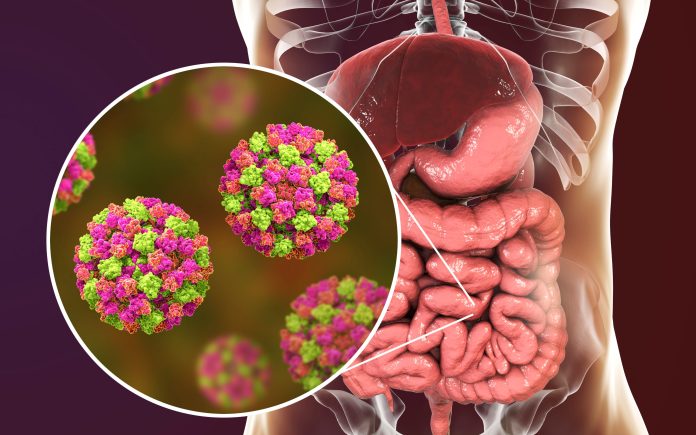
Human Norovirus (HuNoV) is the most common cause of acute viral gastroenteritis, causing nausea, diarrhea, and severe dehydration, particularly in children, the elderly, and immunocompromised individuals. Despite its wide epidemiological prevalence, the development of vaccines and antiviral drugs has been hindered by a primary obstacle: it was previously impossible to grow the virus in laboratory conditions for observation and experimentation.
In early February 2026, researchers at Baylor College of Medicine announced they had overcome this hurdle, allowing them to grow and maintain norovirus strains in the lab long-term. This achievement paves the way for a deeper understanding of the virus and opens doors for vaccine and antiviral therapy development that were previously closed.
What Changed?
Initially, only a few generations of norovirus could be grown in the lab before the virus stopped replicating. Investigations into the cause revealed that the enteroids used for infection were producing large amounts of specific chemokines. Chemokines are small signaling proteins used by the body to coordinate immune responses.
Scientists hypothesized that three specific chemokines (CXCL10, CXCL11, and CCL5), which were most intensely upregulated, were the primary cause of viral blocking. To test this, they used a chemokine blocker called TAK-779. As a result, the viral population grew significantly and successfully underwent 15 consecutive rounds of replication.
What This Achievement Means
The ability to continuously cultivate the virus in a laboratory means scientists can now study norovirus replication cycles, host-cell interactions, and genetic variation at an unprecedented level of detail. This deep understanding is critical for identifying weak points in the viral life cycle that future treatments can target.
Historically, growing norovirus in the lab was nearly impossible. Since 2016, researchers had to rely on virulent samples from infected patients’ intestinal tissues. However, this did not solve the problem, as observing and targeting the virus individually within the complex intestinal flora was extremely difficult.
With repeatable and consistent virus stocks, researchers can now screen antiviral compounds in high-throughput systems and test vaccine candidates in controlled laboratory settings. Eliminating the reliance on unpredictable patient-derived samples makes the drug discovery process faster and more efficient.
source:medicalexpress
