


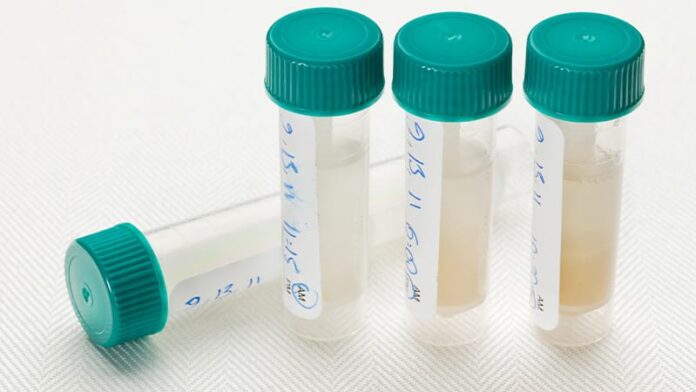
Blood panels and tissue biopsies have long served as the backbone of rheumatologic diagnostics. However, two emerging lines of research suggest that some of the most valuable clues regarding autoimmune disorders may reside outside traditional diagnostic boundaries—hidden within saliva and urine.
Diagnosing and monitoring autoimmune rheumatic diseases is often far more complex than it should be. Standard blood tests frequently fail to reflect the real-time pathological processes occurring inside affected organs. Meanwhile, a tissue biopsy—the gold standard for assessing disease at the cellular level—is invasive and uncomfortable, leading clinicians to avoid performing serial procedures to track disease progression.
“Serum and biopsies do not always have to be the only sources of valid biologic samples for immune-mediated diseases,” stated Professor Ulf Müller-Ladner, Director of the Department of Rheumatology and Clinical Immunology at the Kerckhoff klinik in Germany, speaking at the Rheumatology Update 2026 conference.
He explained that researchers need biomarkers that either facilitate earlier diagnosis or yield critical prognostic information—ideally derived from easily obtainable samples that cause no additional distress to the patient. Today, two biological fluids, saliva and urine, are being closely evaluated to fill this role.
Saliva and Sjögren’s Syndrome: Uncovering a Hidden Phenotype
Sjögren’s syndrome is an autoimmune pathology that predominantly targets the salivary and lacrimal glands, with hallmark clinical presentations of dry eyes and a dry mouth. Standard diagnostic protocols typically rely on a combination of clinical and radiological findings, alongside the detection of specific circulating autoantibodies in the blood.
However, a new study involving 446 individuals revealed an unexpected anomaly. The cohort included both patients with confirmed Sjögren’s syndrome and symptomatic individuals presenting with similar sicca (dryness) symptoms who had tested seronegative on traditional blood panels.
Among the 88 participants classified as having seronegative non-Sjögren’s sicca syndrome, 75 tested positive for anti-Ro60 antibodies upon salivary analysis. These individuals exhibited genuine clinical symptoms that conventional serum testing simply failed to catch.
Saliva and Rheumatoid Arthritis: Autoantibodies in an Unexpected Site
The investigation into salivary biomarkers has also extended to rheumatoid arthritis (RA). Scientists comparatively analyzed saliva samples from RA patients and healthy volunteers, screening for three distinct autoantibody classes closely associated with the disease: Anti-citrullinated protein antibodies (ACPA); Anti-carbamylated protein antibodies (anti-CarP); Anti-acetylated protein antibodies (AAPA)
All three autoantibody types were identified in the saliva samples of ACPA-positive RA patients, with prevalence rates ranging from 9% to 40% depending on the specific antibody subclass.
Notably, none of these autoantibodies were detected in matched intestinal mucosal samples. This absence strongly suggests that their presence in saliva is not merely the result of systemic “leakage” into oral fluids, but rather reflects the localized immune environment of the oral mucosa.
Whether salivary autoantibody detection can reliably aid clinicians in the ultra-early diagnosis of RA—where timely therapeutic intervention drastically improves long-term outcomes—remains to be definitively proven. Professor Müller-Ladner urged appropriate clinical caution: “Validation studies are, of course, absolutely essential.”
Urine Proteomics and Lupus Nephritis
Renal involvement represents one of the most severe complications of systemic lupus erythematosus (SLE). Current monitoring protocols rely on functional renal blood tests, quantitative proteinuria, and microscopic urinalysis of urinary sediment. When lupus nephritis (LN) is suspected, a renal biopsy remains mandatory to determine the specific histo-pathological class of the injury.
The clinical limitation lies in the fact that urinary protein levels and sediment analysis, while practical, are highly nonspecific tools. They successfully confirm the presence of renal injury but offer no insight into the exact location or molecular nature of the intrarenal inflammation.
To address this, a Japanese research group utilized urine proteomics—a method mapping the complete protein profile within a biological sample—to study patients with biopsy-confirmed lupus nephritis. By applying cluster analysis and correlating the data with structural tissue findings, they successfully identified five distinct histopathological subgroups.
Three specific urinary proteins emerged as highly informative: Calgranulin B (); Monocyte chemoattractant protein-1 (); Insulin-like growth factor-binding protein 5 (). These specific molecules were shown to predict both the presence and severity of three distinct types of renal lesions: active glomerular lesions, interstitial inflammation, and interstitial fibrosis (scarring of the supporting tissue).
Because these represent qualitatively distinct forms of tissue damage that currently necessitate an invasive biopsy to differentiate, mapping a patient’s urinary proteomic profile could significantly reduce the need for repeat biopsies and facilitate highly tailored, precision-guided immunosuppressive therapy.
Future Outlook and Validation
Both research tracks are currently in their foundational stages. The salivary antibody data for Sjögren’s syndrome and rheumatoid arthritis are cross-sectional and observational; they confirm the localized presence of these biomarkers but do not yet prove whether managing patients based on these metrics directly translates to improved clinical outcomes. Similarly, urinary proteomic signatures for lupus nephritis require rigorous validation in larger, independent patient cohorts before integration into standard clinical guidelines.
Nonetheless, the trajectory of this research is clear and holds profound clinical implications. The diagnosis of rheumatic diseases is notoriously delayed, disease monitoring is often imprecise, and current therapeutic strategies frequently rely on markers of systemic inflammation rather than organ-specific injury. Establishing reliable, noninvasive windows into the localized pathology of the salivary glands, synovial membranes, and kidneys represents a paradigm shift in how these chronic autoimmune conditions are detected and managed.
Source: Medscape
