


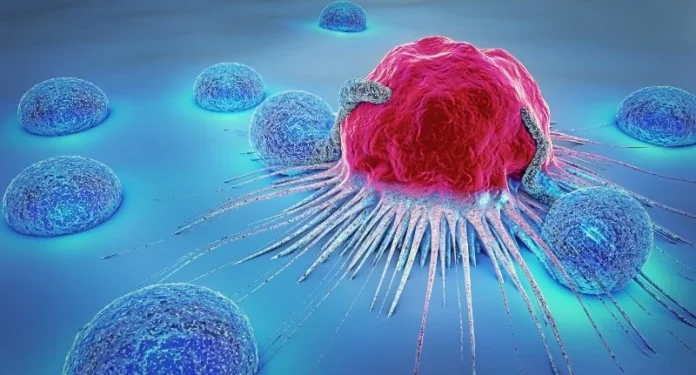
Glioblastoma is one of the most aggressive and difficult-to-treat brain tumors. It grows rapidly, spreads easily through brain tissue, and often resists complete surgical removal. Despite the advancements in modern medicine, treating this disease remains a massive challenge. This is why scientists are actively searching for new methods that can surpass the effectiveness of traditional approaches—surgery, chemotherapy, and radiotherapy.
Recently, an experimental approach using so-called oncolytic viruses has garnered significant attention. These are specially selected or modified viruses that specifically target and damage tumor cells. Unlike ordinary viruses that harm the body, oncolytic viruses are designed to replicate primarily within tumor cells and destroy them, while having minimal impact on healthy tissue.
Studies published in 2026 have shown that in the case of glioblastoma, even a single viral injection can yield significant results. According to the research, a virus injected directly into the tumor not only damaged the cancer cells but also triggered a powerful immune response. Specifically, it activated T-lymphocytes—the immune system cells that fight the body against infections and tumors.
The most interesting finding is that this immune reaction was not merely temporary. It was observed that even after a single injection, T-cell activity was maintained for a long duration. This means the body seemingly “learns” to recognize and react to the tumor. In other words, the virus does not just act directly on the tumor cells; it also stimulates the immune system to join the fight itself.
This approach is particularly vital for glioblastoma because this type of tumor often manages to “deceive” the immune system. The environment of the brain is naturally somewhat protected from immune reactions, which allows the tumor to remain less noticeable to the body. The oncolytic virus partially breaks this barrier, allowing the immune system to better “see” and attack the tumor.
Another important aspect of the study is that this method may influence patient life expectancy. Although these are still early-stage results and it is too soon to draw final conclusions, the data indicates that in patients where a strong immune response was recorded, the condition remained relatively more stable. This suggests that activating the immune system could be critically important for slowing the progression of the disease.
It is also important to note that this approach is not yet a fully established treatment method. It is still in the research phase and requires additional clinical trials to determine its effectiveness and safety on a large scale. However, the fact that a single injection can induce a long-lasting immune reaction is a significant step forward in itself.
At the same time, a realistic assessment is necessary. Glioblastoma remains a severe and complex disease, and this new method is not a “miracle cure.” However, it demonstrates a completely different approach—not just the direct destruction of the tumor, but the activation of the body’s own defense mechanisms. It is this combination—viral impact and immune response—that could become the foundation for future therapies.
Ultimately, the use of oncolytic viruses in the treatment of glioblastoma represents one of the most promising directions in modern oncology. These studies show us that the fight against cancer is not just an external attack; sometimes, the most effective way can be the proper utilization of the forces already existing within the body. If these results are confirmed in future studies, it is possible that such therapies will play a significant role in the development of brain tumor treatments.
