


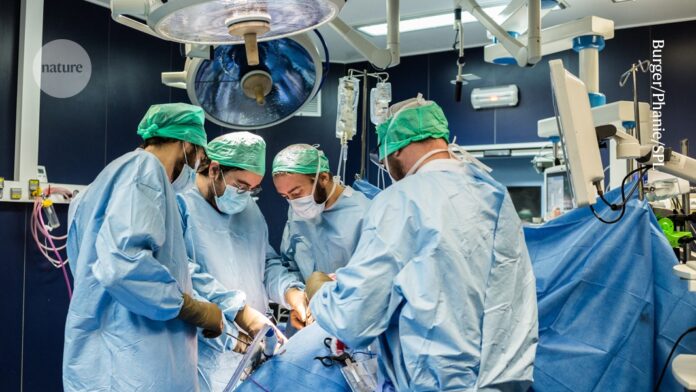
Two men and one woman belong to a specific group of patients whose immune systems are “highly sensitized.” Due to record-high antibody levels, their bodies instantly reject donor organs. Such individuals typically die while still on the transplant waiting list. However, more than a year after undergoing an innovative cell therapy, all three are living with new kidneys, stable and without any significant side effects. Their success stories were published in the prestigious medical journal, The New England Journal of Medicine.
The Harsh Reality of Dialysis and the Immunological Barrier
In the US, 5–10% of patients waiting for a kidney transplant have exactly this type of hyperreactive immunity. For them, dialysis—which is physically exhausting to the extreme—remains the only way to stay alive.
A clear example of this is a patient at the Charité clinic in Berlin—a woman in her 30s whose first transplanted kidney failed after ten years. She went to the hospital 9 times with potential donors, but due to immunological incompatibility, the operation could never be performed. Against the background of years of ongoing dialysis, she had already developed heart failure.
CAR-T Cells: How the Therapy Works
The solution turned out to be CAR-T (Chimeric Antigen Receptor T-cell) therapy, which until now has been used primarily to treat blood cancers.
The mechanism is as follows: doctors extract immune T-cells from the patient’s blood and genetically modify them in a laboratory environment. After this, the cells are returned to the patient’s body. The “reprogrammed” cells targetedly locate and destroy only the tissues that produce the problematic antibodies hindering the transplantation (specifically, CD19 and BCMA proteins).
A New Chapter of Life
Just a few months after receiving a single dose of these engineered cells, the patients’ antibody levels dropped so significantly that the surgery became safe. Both the German woman and the two men in the US—who had been waiting for a donor for 3 and 7 years, respectively—successfully underwent kidney transplants. Today, the German patient lives a full life and works as a children’s acrobatics coach.
Future Outlook
Following this initial success, American researchers successfully treated four more patients using the same method. Among them was an individual who had been waiting for a donor for an incredibly long time—20 years. Specialists estimate that if subsequent large-scale clinical trials proceed with the same effectiveness, CAR-T therapy will become an official medical standard within the next 5 years, saving thousands of patients awaiting transplantation.
