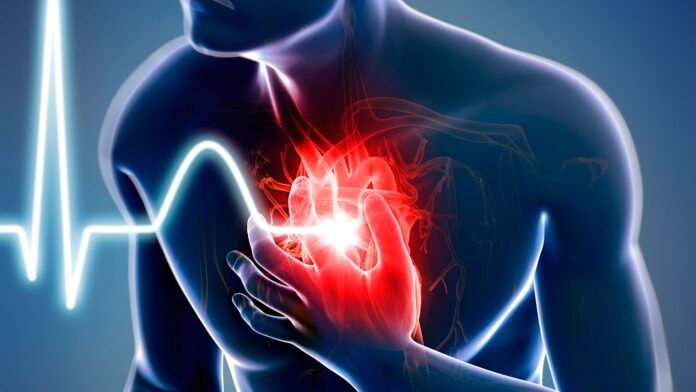
During a heart attack, an adult human heart can lose up to a billion muscle cells. Since these cells have no natural ability to regenerate, this leads to scar tissue formation and heart failure. Current medical approaches focus primarily on managing these symptoms. Scientists at the University of Cambridge have developed a new mRNA therapy that “wakes up” heart muscle cells and activates their regenerative processes.
According to a study published in the journal Nature Cardiovascular Research, scientists used an innovative mRNA therapy to temporarily activate two specific proteins, Myc and Cyclin T1, in heart muscle cells. This molecular process encourages damaged cells to divide, helping restore lost cardiac muscle tissue.
Experiments in mice showed that administering the therapy after a heart attack significantly improved cardiac function and increased the volume of blood pumped with each heartbeat by approximately 10%. Although this does not amount to a complete cure, even a 10% improvement in heart function can substantially reduce mortality risk in patients and restore their ability to perform everyday activities.
In terms of safety, the approach offers several advantages: because the effects of the mRNA therapy are localized and short-lived, it avoids permanent cell modification and the risk of uncontrolled cell growth. Echocardiograms performed 28 days and 12 weeks after the injection confirmed that the improvement in heart function was sustained. No adverse effects were observed in the experimental models.
“We are not just treating the symptoms of heart failure — this approach helps the heart repair itself. The therapy has the potential to make a significant difference to the quality of life of millions of people worldwide,” says Dr. Catherine Wilson, co-author of the study.
Researchers are currently working to refine the therapy. Before the new technology can be introduced into clinical practice, it must undergo further testing for efficacy and safety in larger animal models and, ultimately, in humans.