


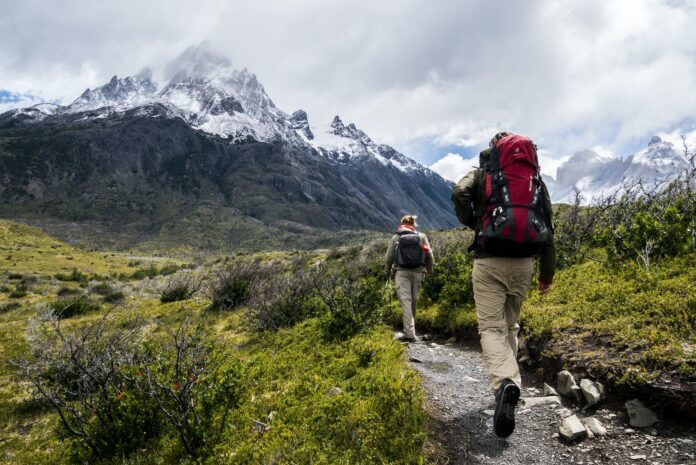
Hiking is a complex physical activity that simultaneously affects the human cardiovascular, musculoskeletal, metabolic, and nervous systems. According to modern research, regular hiking transforms the body with remarkable results, improving heart function, increasing maximal oxygen consumption ($VO_2$ max), strengthening muscles, regulating metabolism, and positively impacting mental health. This article synthesizes international studies and expert opinions to describe how hiking facilitates the long-term transformation of the human body.
Modern lifestyles are often associated with physical inactivity, chronic stress, and metabolic disorders. In this context, hiking represents an accessible, natural, and effective way to improve health. Unlike ordinary walking, hiking involves variable terrain, elevation changes, and sustained exertion, which trigger multi-system adaptive processes in the body.
The article is based on:
-
-
Studies on the physiological effects of long-distance hiking (thru-hiking).
-
Popular science articles (e.g., National Geographic).
-
Expert commentary and meta-analyses regarding endurance training.
-
Specific research conducted by Thomas Heimbockel, whose results are detailed in his thesis.
-
Results and Discussion
1. Cardiovascular System
Hiking improves heart muscle function and reduces resting heart rate. Regular exertion increases cardiac ejection fraction and arterial elasticity, reducing the risk of hypertensive pathologies and ischemic heart disease. Consequently, the onset age of cardiovascular diseases among hiking enthusiasts is significantly higher than average (50+ years).
According to research, endurance activities like hiking lead to an average 16% increase in $VO_2$ max, which is directly linked to longevity. Better oxygen utilization by the body reduces ischemic processes, helping tissues stay healthier and better preserved.
2. Musculoskeletal System
Hiking activates the muscles of the lower extremities, core, and those responsible for balance. Moving on uneven terrain improves coordination and postural stability.
During long and intense hikes, a temporary decrease in bone mineral density may occur due to energy deficits. However, with adequate nutrition and rest, the skeletal system recovers and adapts.
3. Metabolic and Hormonal Effects
Hiking increases energy expenditure and promotes:
-
Reduction of body fat mass.
-
Improvement of lipid profiles.
-
Increased insulin sensitivity.
During extreme hikes, a temporary decrease in sex hormones may occur as an adaptive response to energetic stress.
4. Nervous System and Cognitive Function
While hiking, the brain constantly processes spatial and visual information, which strengthens attention and cognitive functions. This facilitates the faster formation of new synapses. Simply put: physical activity in a natural environment promotes neuroplasticity—the creation of new neural connections.
5. Mental Health
According to research, hiking:
-
Reduces stress hormone levels (lowers cortisol).
-
Reduces symptoms of anxiety and depression.
-
Improves sleep quality and emotional stability (regulates the natural circadian rhythm).
Experts suggest that walking in nature combines physical activity with psychological relaxation. Paradoxically, it acts as an antidote to “burnout” syndrome; some scientists even refer to the physical exhaustion of hiking as “positive burnout.”
Conclusion
Hiking is truly a comprehensive health strategy that acts on both body and mind. Regular hiking improves cardiovascular function, strengthens the muscular and nervous systems, regulates metabolism, and promotes mental well-being. A well-planned hike can be considered one of the most effective natural means for the long-term transformation of the human body.
