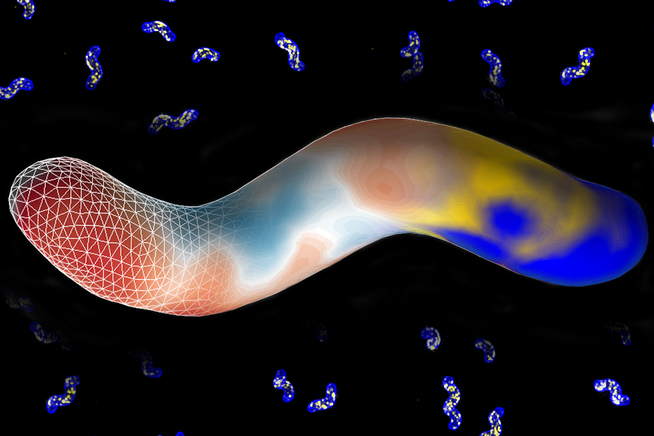
From today’s perspective, it is difficult to believe that the gastric environment was once considered sterile. Consequently,infectious agents played no role in the established etiology of peptic ulcer disease; rather, the condition was attributed primarily to stress, dietary habits, and lifestyle factors. Therapeutic options were similarly limited, and nearly all clinical pathways inevitably led to the operating room. This paradigm shifted fundamentally in 1982, when the isolation and culture of Helicobacter pylori revealed its direct etiologic link to gastritis and peptic ulcer disease.
This milestone accomplished far more than simply identifying the culprit behind ulcers: it demonstrated that a common gastric infection could drive oncogenesis and transformed a disease that once demanded surgical intervention into a medically manageable condition.
A new review published in The New England Journal of Medicine summarizes this historical transformation and highlights that the next era of medicine will be defined by rising antimicrobial resistance, disparate global access to diagnostics, and the ongoing pursuit of an effective vaccine.
An ‘Evolutionary Companion’
H. pylori is by no means a novel pathogen. It has co-evolved alongside humans for millennia, developing remarkable adaptations to survive within the acidic environment of the stomach.
Upon entering the host, the bacterium utilizes the enzyme urease to neutralize the immediate gastric microenvironment.Its helical (spiral) morphology, flagella, and chemotactic capability allow it to navigate the thick gastric mucus layer and adhere to epithelial cells. Once established, the pathogen can persist for decades—often without producing overt clinical symptoms.
This persistence is far from accidental. H. pylori dynamically alters its surface molecules to evade host immune recognition. Furthermore, it subverts immune cell activity and employs toxins along with other virulence factors to disrupt the protective gastric mucosal barrier.
From discovery to cancer prevention
H. pylori was successfully cultured in 1982, and its association with gastritis and peptic ulcer disease challenged the long-held belief that the stomach was sterile. The bacterium was initially placed in the genus Campylobacter and reclassified as Helicobacter in 1989.
The discovery had immediate clinical consequences. Proton-pump inhibitor–based triple therapy made peptic ulcer disease a largely curable condition rather than one often managed with surgery. Researchers also established H. pylori as an important cause of gastric cancer and gastric MALT lymphoma. In 1994, the World Health Organization classified it as a class I carcinogen.
Chronic infection causes gastritis, although many people remain asymptomatic. In some people, infection progresses to peptic ulcer disease, gastric MALT lymphoma, severe atrophic gastritis, intestinal metaplasia or gastric cancer. The risk depends on bacterial virulence factors, host genetics and environmental factors, including smoking and diet.
A global infection with uneven burden
A recent meta-analysis covering 1,748 studies from 111 countries found that the prevalence of H. pylori infection among adults declined from 52.6% to 43.9% between 1980 and 2022. Prevalence among children and adolescents remained stable. The highest prevalence was reported in African and Eastern Mediterranean regions, at about 53%, while the European region had the lowest, at about 40%.
Gastric cancer remains a major global health problem. More than 968,000 new cases and approximately 660,000 deaths were reported worldwide in 2022, placing it fifth in both incidence and mortality.
Eradicating H. pylori can heal inflamed gastric tissue and reverse nonatrophic gastritis. Treatment before the development of gastric atrophy is considered the most effective strategy for cancer prevention, but studies also suggest that eradication can reduce gastric-cancer risk even in people with advanced premalignant changes. The benefit decreases with age.
Screening: who should be tested?
The review outlines three prevention approaches: test and treat, screen and treat, and family-based testing. Test-and-treat strategies target people with uninvestigated dyspepsia and are generally suited to settings with low infection prevalence and low gastric-cancer incidence. Population-wide screen-and-treat programmes are more appropriate where infection and gastric cancer are common.
A family-based approach targets household members of infected people, reflecting the importance of intrafamilial transmission. H. pylori is usually acquired in childhood, mainly within families, and people who migrate from high-prevalence regions may remain at increased risk of persistent infection.
Noninvasive tests include the urea breath test, stool antigen test and serology. The urea breath test and stool antigen test have high accuracy and are suitable for adult screening. Serologic testing is convenient and inexpensive but cannot reliably distinguish past from current infection, so positive results require confirmation. Endoscopy is indicated for people with alarm symptoms such as difficulty swallowing, unexplained weight loss, persistent vomiting, gastrointestinal bleeding, iron-deficiency anaemia or an abdominal mass.
Resistance changes treatment
The major challenge is antibiotic resistance. Clarithromycin resistance has risen since the early 2000s, reducing the effectiveness of older proton-pump inhibitor–based triple therapy. A 2018 meta-analysis found that resistance to clarithromycin, levofloxacin and metronidazole exceeded 15% in nearly all WHO regions.
As a result, the review says clarithromycin-, metronidazole- and levofloxacin-based triple therapies should be avoided when susceptibility testing is unavailable. Bismuth-based quadruple therapy and high-dose dual therapy are presented as suitable empirical options for both initial and rescue treatment. Bismuth-based therapy can achieve eradication in about 90% of adherent patients and is not affected by clarithromycin or levofloxacin resistance, although it involves a demanding pill schedule and can cause nausea, dizziness, metallic taste and abdominal pain.
The review supports antimicrobial-susceptibility testing whenever possible. Culture-based testing remains the reference standard because it can assess susceptibility to all commonly used antibiotics. Molecular tests can identify resistance to clarithromycin and levofloxacin, but wider clinical use is limited by cost, logistics and health-system barriers.
New drugs and the vaccine gap
New treatments are being studied. In a phase 3 trial, rifasutenizol-based triple therapy achieved eradication in 92.0% of patients in the modified intention-to-treat population, compared with 87.9% for bismuth plus clarithromycin therapy, meeting non-inferiority. The result is promising, but it does not yet replace the need for broader evidence on resistance, safety and implementation.
Researchers are also investigating shorter regimens using potassium-competitive acid blockers, nanotherapies for targeted drug delivery and the possible role of probiotics. None of these approaches is presented as an established replacement for current treatment.
A vaccine remains the ideal long-term solution, but no clinically validated vaccine exists. The review argues that future vaccine development must account for the bacterium’s immune-evasion strategies, including modifications to its lipopolysaccharide structure.
The central message is that H. pylori infection is both treatable and preventable, but its management can no longer rely on a single standard regimen. Effective care now requires attention to local resistance patterns, appropriate testing, adherence to antimicrobial stewardship and continued research into vaccines and new therapies.
Source: NEJM