


Scientists at the University of Missouri have developed an innovative and safe method to combat multi-drug resistant bacteria.
According to a study published in the journal Military Medicine, a specialized inhalation device (Spray-mist device) allows “last-resort” antibiotics to be delivered directly into infected tissue. This protects patients from the severe side effects typically caused when such medications are administered through the bloodstream.
As part of the research, scientists utilized a needle-free device to treat Methicillin-resistant Staphylococcus aureus (MRSA). The apparatus successfully delivered the antibiotic Vancomycin into deep tissue layers without typical complications, such as kidney damage.
Unlike ointments, which are easily wiped off the skin’s surface, this technology manages to bypass the skin barrier and deliver the drug directly to the site of infection.
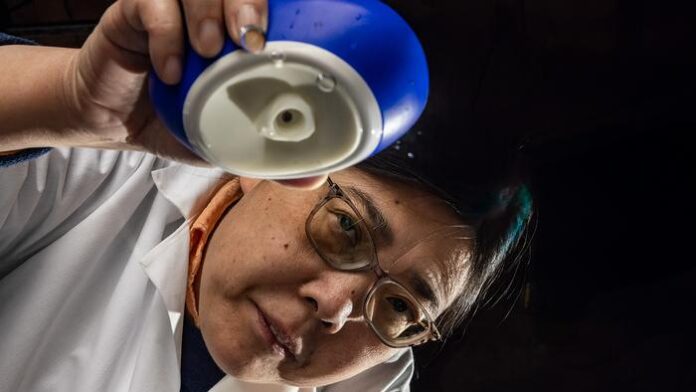
The DMTD prototype used in the experiment is equipped with specialized adapters and a rounded port that focuses the drug flow onto a specific area. A small mouthpiece (12 mm) ensures the precise guidance of the micro-mist onto the infected surface. This method is particularly promising for treating wounds in extreme situations, such as for soldiers wounded on the battlefield.
Scientists evaluate this technology as a “game-changer” in medicine. Such a targeted delivery route for antibiotics could prevent numerous amputations and save the lives of patients whose organs would otherwise be at risk from traditional treatment methods. Currently, researchers are working toward clinical trials to obtain official FDA approval.
