


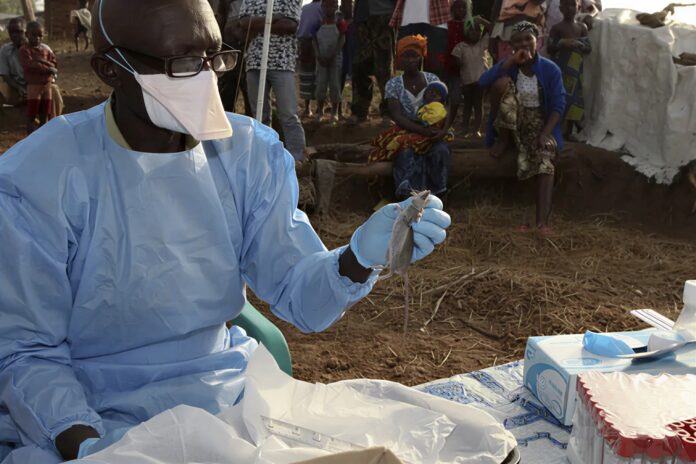
A team of scientists from the University of North Carolina (UNC) School of Medicine has published alarming findings regarding Lassa fever. Researchers are urging the global medical community to urgently improve diagnostics, as this deadly virus is considered one of the world’s top pandemic threats by the WHO.
What is Lassa fever?
It is a severe viral disease similar to Ebola, which causes thousands of deaths annually, primarily in West Africa (Nigeria, Liberia, Sierra Leone). The virus is transmitted through rodents, though human-to-human transmission is possible through direct contact with an infected person’s blood or biological fluids.
What does the study say?
A six-year study (2018–2024) conducted in Liberia revealed several critical issues related to Lassa fever, including a high rate of so-called “invisible” cases. Among patients hospitalized with fever, 11% were found to have the disease even when it was not suspected.
The study also showed that 43% of confirmed cases occur in adolescents aged 5 to 17. Furthermore, a direct link was established between mortality rates and the body’s immune response.
Patients whose bodies failed to defeat the virus faced two main problems: their viral load was very high, and their immune systems were too weak to produce sufficient protective antibodies. In some clinics, more than 20% of infected patients died. Symptoms of Lassa fever often overlap with other common infections, which complicates diagnosis.
Global Significance
Lassa fever has already moved beyond the borders of the African continent, with more than 32 imported cases reported in various countries, including the US, one-third of which ended fatally—indicating the disease’s global threat.
Early diagnosis is crucial in this process because complications usually manifest in the second week, and the window of opportunity for effective treatment intervention is very narrow. Additionally, delayed diagnosis poses a direct threat to medical personnel.
For these reasons, scientists emphasize that expanding access to diagnostic tests (PCR), vaccines, and new therapeutic options is the only effective way to stop the global spread of the virus and save human lives.
