


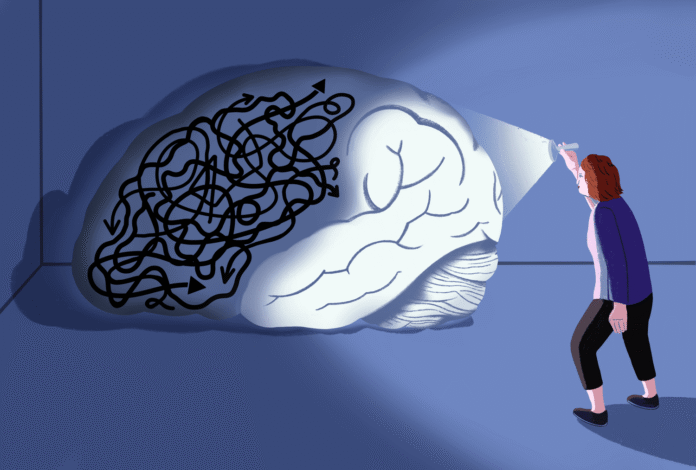
Until now, Attention Deficit Hyperactivity Disorder (ADHD) was viewed as a single, monolithic condition. However, a new brain imaging study has shown that there are actually three distinct subtypes with unique clinical-neural profiles. This discovery paves the way for personalized treatment strategies.
How was the study conducted?
Researchers analyzed brain scans, structural features, and neurochemical signals from hundreds of children. The analysis revealed that the brains of all patients with ADHD do not function in the same way. Scientists identified three primary models:
-
Severe Combined Type with Emotional Dysregulation: In this case, individuals struggle to modulate emotional reactions. For example, any sad situation triggers an extremely intensified, amplified emotional response in them.
-
Predominantly Hyperactive-Impulsive Type: Characterized by high energy levels, restlessness, and difficulty with self-control. Patients often act impulsively without thinking.
-
Predominantly Inattentive Type: Experts explain that this is not a lack of attention, but rather a deficit in the ability to regulate it. Attention is scattered across many different things simultaneously, making it difficult to focus on one specific task.
Why is this discovery important?
Currently, ADHD is often treated using general methods. According to the study’s authors, identifying these three “biotypes” will allow doctors to offer each patient individually tailored therapy.
