


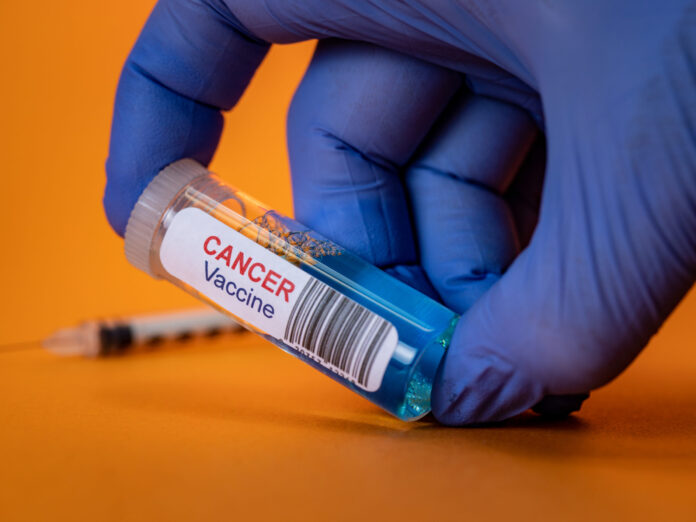
Medicine is moving toward an entirely new strategy in the fight against cancer. Scientists have begun clinical trials of a new generation of preventive vaccines, with the main goal of teaching the immune system to recognize and destroy cancer cells before the disease becomes fully established in the body.
Vaccines that protect against certain types of cancer already exist today, such as those against human papillomavirus (HPV) and hepatitis B. However, these vaccines target the viruses that can cause cancer. Most tumors, in fact, are not of viral origin. That is why the new generation of vaccines is focused on non-viral cancers caused by genetic or other factors — cancers whose prevention was previously considered impossible.
How does the technology work, and who are the first patients?
At the initial stage, testing is being conducted in groups of completely healthy people who have a high genetic risk of developing cancer. One of the main targets of this research is people with Lynch syndrome. This is a genetic condition caused by mutations in DNA repair genes and associated with a lifetime cancer risk of up to 70%. People with Lynch syndrome live with constant uncertainty and require intensive, regular screening.
Eduardo Vilar-Sanchez, a researcher at the University of Texas MD Anderson Cancer Center, is expected to begin testing a new vaccine on 45 volunteers with Lynch syndrome in the near future. The vaccine contains 209 so-called “neoantigens” — proteins found only on cancer cells. This strategy is designed to ensure that the immune system attacks only potentially dangerous cells while leaving healthy tissue unharmed.
Fighting breast and pancreatic cancer
Alongside research into Lynch syndrome, various scientific teams are working on vaccines against breast, ovarian, and pancreatic cancers. For example:
- Clinical trials are underway for a vaccine aimed at preventing breast cancer in women who carry BRCA1 or BRCA2 gene mutations.
- Researchers are exploring a specialized vaccine designed to prevent the most aggressive form of breast cancer — triple-negative breast cancer.
- Scientists at Johns Hopkins University are beginning to test a treatment targeting mutations in the KRAS gene, one of the key drivers of pancreatic cancer.
A universal vaccine — a future prospect
If these studies are successful, scientists have even more ambitious plans for the future. The effectiveness of mRNA technology developed during the COVID-19 pandemic has encouraged U.S. health experts to consider the possibility of a so-called “pan-cancer” or universal vaccine. The goal is to develop an mRNA vaccine that could simultaneously teach the immune system to recognize and destroy the 50 most common genetic mutations associated with cancer.
It is worth noting that a broad-spectrum vaccine containing 31 antigens associated with eight common cancers is already being tested in 400 dogs.
Experts agree that there is still a long way to go before a single universal cancer vaccine becomes a reality. However, if the ongoing experiments prove successful, they could represent a major advance in medicine for people at high risk of cancer. Such an approach could mean less burdensome screening, fewer invasive procedures, and the possibility of returning to a fuller, more peaceful life.
