


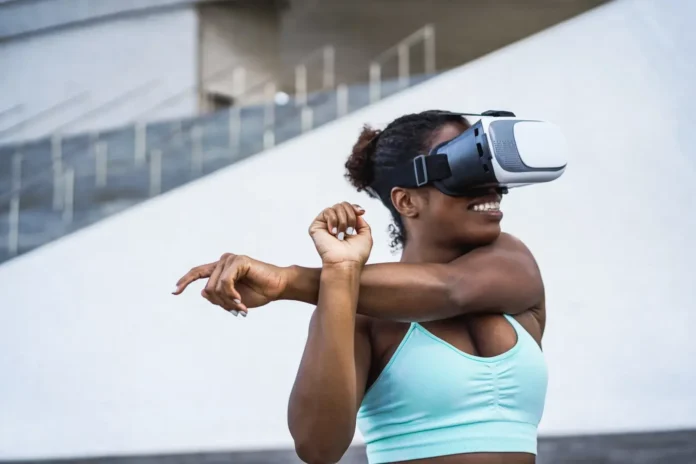
Physical exercise has long been associated with improved mental health, but new research suggests that virtual reality (VR) and augmented reality (AR) sports games may offer similar benefits. A study conducted by researchers at Michigan State University found that AR/VR sports games can improve psychological well-being and reduce feelings of loneliness.
According to the study, which was published in the International Journal of Human-Computer Interaction, augmented and virtual reality (AR/VR) technology promotes social connections by allowing players to interact in real-time.
This process creates a sense of “social presence” through the use of avatars, real-time communication, and non-verbal cues. According to the researchers, this factor was particularly beneficial for players who were experiencing loneliness.
The study analyzed data from 345 participants who played popular AR/VR sports games such as table tennis, bowling, and billiards. The participants completed questionnaires that measured their engagement in gaming, psychological well-being, loneliness, and other factors.
The results showed that players who were more actively engaged in AR/VR sports gaming achieved a higher level of psychological well-being. The study also expanded the traditional understanding of online relationships, as it proved that AR/VR games go beyond text-based communication and offer more complex, human connections.
Although the study’s results point to the potential therapeutic use of AR/VR sports games for individuals with loneliness and mental health problems, the researchers urge caution. They note that this technology is not a universal solution, as some users may feel uncomfortable interacting in a virtual environment, which may limit its positive effects.
