


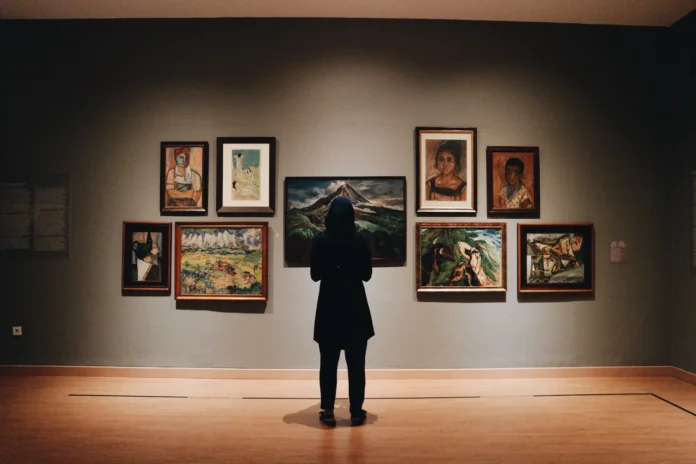
According to a recent study by British scientists, an interest in art and culture slows down the process of biological aging. It has been found that activities such as singing, painting, or visiting museums and galleries have such a positive impact on health that they help maintain the body’s youthfulness. The authors of the study suggest that engagement in the arts should be considered a health-promoting behavior, much like physical exercise.
Researchers from University College London (UCL) discovered that the deceleration of biological aging is directly linked to how frequently an individual engages in creative activities. While slowed aging does not automatically equate to a longer lifespan, the methods used in the study accurately predict the risks of future diseases and mortality.
The data indicates that the more culturally active a person is, the better the results. For example, the rate of biological aging for individuals who engaged in art-related activities at least once a week slowed by 4%, while monthly engagement reduced the process by 3%. Furthermore, calculations showed that those engaged in art weekly were, on average, biologically one year younger than their passive peers. Interestingly, exercising once a week was found to rejuvenate an individual by only six months.
Scientists explain that the impact of art on the rate of aging is so impressive that it is comparable to the difference between smokers and those who have quit tobacco. It is now scientifically proven that cultural activities, similar to physical exertion, reduce stress, soothe inflammation, and improve the state of the cardiovascular system.
These findings, published in the journal Innovation in Aging, are based on blood tests and surveys of more than 3,500 adults. Using blood samples, researchers calculated the participants’ biological age and rate of aging. The survey included detailed information on how often they sang, danced, painted, took photographs, or visited historical sites, exhibitions, and museums.
This is not the first time the medical field has discussed the therapeutic properties of art. Back in 2019, the World Health Organization (WHO) published a report highlighting the positive effects of listening to music before surgery and art therapy for patients with dementia. However, this new study is the first to confirm this influence at a biological level, particularly in those in early middle age and over 40, who received the greatest benefit for their bodies through cultural engagement.
