
Under new European Union regulations, member states are for the first time obligated to strictly monitor the levels of “forever chemicals” (PFAS) in drinking water. The Drinking Water Directive, which countries were required to implement by 2023, officially entered into force last week.
What are PFAS and Why are They Dangerous?
PFAS (Per- and Polyfluoroalkyl Substances) comprise more than 10,000 synthetic compounds widely used in cosmetics, food packaging, medical devices, and 22 different industries. These substances practically do not degrade and accumulate in living organisms and the human body, as well as in the environment (air, water, and soil).
The Forever Pollution Project, an international initiative, has recorded more than 23,000 contaminated locations across Europe, of which 2,300 are classified as high-risk “hotspots.” In these zones, the concentration of toxic substances exceeds critical limits for public health.
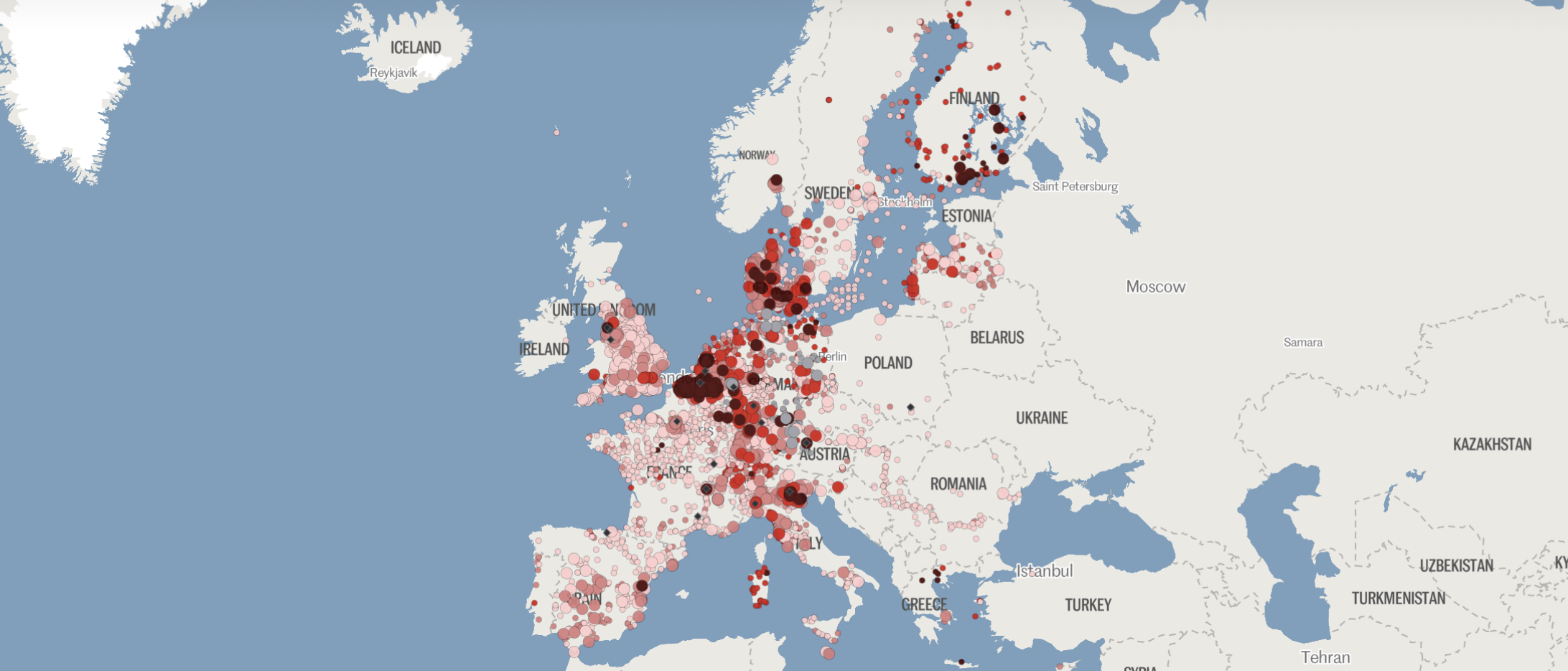

OpenStreetMap
Numerous studies indicate a link between PFAS exposure and the following pathologies:
Kidney and testicular cancer;
High cholesterol levels and immune system damage;
Reproductive issues and low fetal birth weight;
Gestational diabetes and liver problems during pregnancy.
Professor Fionnuala McAuliffe of University College Dublin explains that these compounds may disrupt the process of fetal placental transport (nutrition).
In the future, strict monitoring and control of pollution sources will significantly reduce toxic exposure to pregnant women and children. In addition to preventing chronic diseases, this will facilitate the introduction of safer, alternative products within the medical sector.
Regulations
Under the new regulation, the total concentration of 20 primary PFAS compounds is limited to 100 ng/L, while the total PFAS content is restricted to 500 ng/L. In the event of a breach of these norms, member states are required to take immediate measures: decommissioning wells, installing specialized filtration systems, or, if necessary, prohibiting water consumption while ensuring timely public information.
Although Italy, Denmark, and Sweden perform monitoring over a much broader spectrum than required, some experts still consider the new regulations insufficient. Critics argue that the limits set for drinking water are 100 times higher than the norms recommended by the European Food Safety Authority (EFSA) in 2020.
Toxicologist Hilma Samuelsson notes that these standards are based more on practical and economic feasibility than on strict scientific evidence. The reason for this is that complete decontamination of water requires colossal energetic and financial resources.
While water quality control is decisive, environmental organizations are demanding a ban on the use of these chemicals directly at the production stage. Germany, the Netherlands, Denmark, Norway, and Sweden are proposing an initiative to restrict nearly 10,000 types of PFAS by 2030. This represents the most extensive regulatory project in the history of the European Chemicals Agency (ECHA).
Source: European Commission