


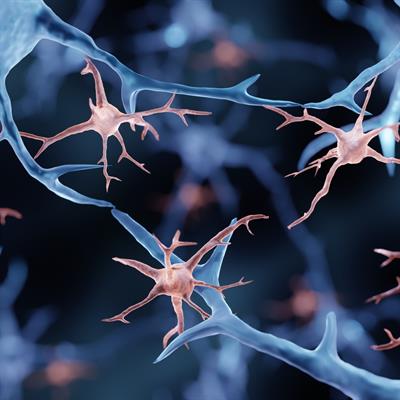
most interesting and controversial topics in neuroscience in recent years. For a long time, the widely held belief was that humans receive their primary supply of neurons at an early age, after which the brain functions only with existing cells. However, modern research has significantly changed this view. The study of individuals whom scientists call “SuperAgers” has proven particularly fascinating.
“SuperAgers” are elderly people, usually over the age of 80, whose memory and cognitive functions are preserved far better than most of their peers. In some cases, the quality of their memory is even close to that of middle-aged individuals. This is exactly what piqued the interest of scientists: why do these people maintain such high brain functionality when age-related memory decline is a common occurrence?
Recent studies have shown that one possible answer to this question lies in the formation of new neurons, or neurogenesis. It turns out that in one of the most important areas of the brain—the hippocampus, which is directly linked to memory, the learning process, and information retention—the formation of new neurons may continue even into old age. This discovery is vital because the hippocampus is the part of the brain that is often damaged during aging, especially in Alzheimer’s disease.
Research has shown that signs of new neuron production are more pronounced in the brains of “SuperAgers” than in the brains of average elderly people. This means their brains may be much better at maintaining the ability to renew and adapt. Simply put, it is not just that these people have a “good memory.” Biological processes may actually be taking place in their brains that keep neural networks in better condition.
All of this becomes especially significant when compared to Alzheimer’s disease. In Alzheimer’s, memory, thinking, and orientation gradually deteriorate. According to new research, during such times, the process of forming new neurons may be sharply reduced or almost completely halted. Consequently, scientists are increasingly thinking that neurogenesis may be of great importance not only for healthy aging but also for the prevention and treatment of neurodegenerative diseases.
To achieve these results, scientists used modern research methods that allow for a very detailed study of brain cells. They analyzed hundreds of thousands of cells and observed which were stem cells, which were in the early stages of development, and which were already fully formed neurons. This was important because seeing only the final cell is not enough to prove the existence of neurogenesis; the entire developmental chain must be studied. In this way, it became possible to show that in certain individuals, the brain continues to produce new nerve cells despite age.
This discovery significantly changes our perception of aging. In the past, aging was often imagined as an inevitable process of decline, during which brain function gradually weakens and humans can do almost nothing to resist it. However, the study of “SuperAgers” shows that this picture is much more complex. Age itself does not mean a sharp deterioration in memory. In some people, the brain maintains its structure and function much more effectively, and it is possible that one of the main roles in this belongs specifically to the production of new neurons.
Of course, this does not mean that everyone’s brain is equally capable of renewal or that a person can easily “improve” neurogenesis simply by wishing for it. Science is still studying what conditions promote this process, why it is more active in some people, and why it declines in others. However, it is already clear that the human brain is a much more flexible and living system than previously thought. It is not a static organ that only slowly loses function. On the contrary, under certain conditions, it has the ability to maintain elements of self-renewal over a long period.
The significance of these studies is not just theoretical. If scientists better understand what promotes the formation of new neurons, approaches may be developed in the future to help maintain or improve brain function. This will be particularly important in the fight against memory disorders, dementia, and Alzheimer’s disease. In other words, the knowledge gained today may turn into real medical practice in the future.
