


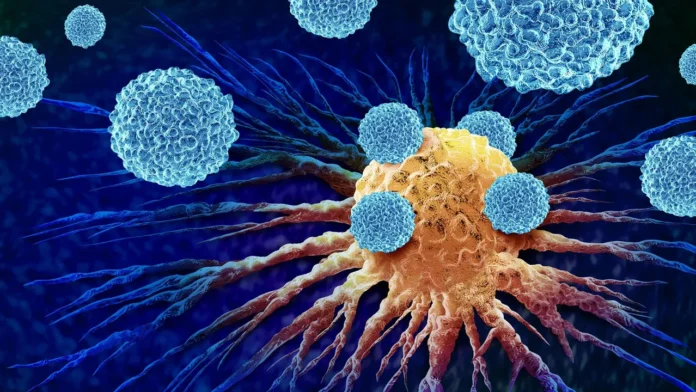
Modern medicine increasingly seeks to enhance treatment efficacy by optimizing lifestyle and nutrition. A recent discovery from the Van Andel Institute is a breakthrough step in this direction. It has been found that strategic caloric restriction charges immune cells with extra energy, turning them into powerful allies in the fight against cancer.
Researchers found that a low-fat, high-protein diet, combined with a 30–50% caloric restriction, sharply increases the concentration of ketones in the body. These substances serve as an alternative, highly efficient energy source for T-cells. Immune cells “charged” with ketones not only attack the tumor more aggressively but also gain resilience, protecting them from exhaustion.
This discovery is critically important for strengthening the action of Immune Checkpoint Inhibitors. Since existing immunotherapy is not equally effective in all patients, metabolic “programming” of cells through diet could create entirely new possibilities for treatment.
Ketones are produced in the body when glucose supplies are depleted—for example, during intense physical activity or caloric deficiency. In experimental models, mice on a calorie-restricted diet showed high ketone concentrations, which T-cells used to enhance their anti-tumor activity. It was found that this process sharply increases mitochondrial activitywithin immune cells, ensuring energy mobilization and sustained combat readiness.
Interestingly, both immune and tumor cells can utilize ketones. This raised a question: could changing the diet promote tumor growth itself? According to the study, the metabolic advantage and increased efficiency gained by the T-cells far outweigh any potential risks.
Based on these data, it is likely that combining specific nutritional strategies with immune checkpoint inhibitors could radically improve treatment outcomes for patients who do not respond to drug therapy alone.
However, researchers urge caution: caloric restriction is not a direct cure for cancer, and it will not be suitable for every patient. People with cancer often experience loss of appetite and clinically significant weight loss (cachexia). Therefore, additional clinical trials are necessary to determine the safest and most optimal forms of applying this method.
The scientific team at the Van Andel Institute is currently studying the combined effects of various nutrition and fasting regimens. Their priority is to conduct clinical trials and develop evidence-based, individually adapted nutritional guidelines.
Source: Van Andel Institute, nature
