


According to a new study published in the journal Human Reproduction, high consumption of ultra-processed foods (UPF) is directly linked to decreased fertility in men and slower embryo growth in the early stages. Scientists advise parents to eliminate such products from their diet as much as possible before conception and during pregnancy.
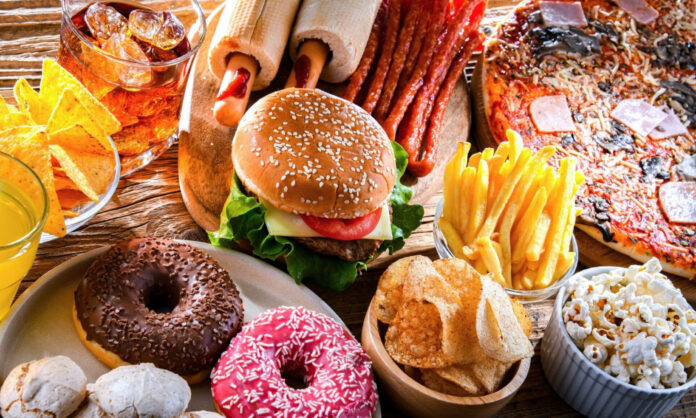
Ultra-processed foods (e.g., carbonated drinks, chips, sweets, ready-to-eat convenience foods) are hazardous due to their high content of salt, sugar, saturated fats, and artificial emulsifiers. These factors have a scientifically proven link to the development of obesity, type 2 diabetes, cancer, and cardiovascular diseases.
Study Results
Researchers from Erasmus University Medical Center (Netherlands) analyzed data from over 800 women and 650 men, concluding that ultra-processed foods rich in sugar, salt, trans fats, and additives affect various stages of the reproductive process.
Specifically, the consumption of these foods in men is associated with a lower probability of fertilization and an increased time-to-pregnancy. This is attributed to the high sensitivity of sperm to dietary habits.
Regarding women, while such foods do not directly impact the time it takes to conceive, they have a significant influence during the prenatal period. By the seventh week of pregnancy, delayed embryonic growth and a reduction in the size of the yolk sac (which is vital for nourishing the embryo) have been observed.
The pace of embryonic development in the first trimester is crucial. Slow growth increases the likelihood of preterm birth or low birth weight. Scientists also suggest that such delays may lay the foundation for cardiovascular problems in childhood. Special attention is given to the yolk sac, as its improper development is often a cause of miscarriage.
Recommendations
Scientists explain that it is time to move past the stereotype that only the mother’s lifestyle matters. A man’s health in the pre-conception period plays a decisive role.
To increase fertility and ensure healthy offspring, researchers recommend that both partners reduce the intake of mass-produced products characterized by low nutritional value.
