


Modern medicine is on the verge of a historic breakthrough that could permanently reshape how we prevent and treat cardiovascular diseases. According to a new study published in the New England Journal of Medicine, scientists have developed a one-time gene therapy capable of slashing harmful cholesterol levels by a record-breaking 62 percent. This experimental treatment, known as VERVE-102, represents a highly promising leap forward for millions of individuals who previously faced a lifetime of daily medication to manage their cholesterol.
The underlying mechanism of this innovative therapy relies on permanently turning off a specific gene in the liver called PCSK9, which regulates cholesterol balance in the bloodstream. The treatment utilizes cutting-edge, high-precision genetic engineering technology known as base editing. The early-stage clinical trial involved 35 patients suffering from familial hypercholesterolemia—a genetic disorder that causes dangerously high cholesterol levels from a young age and drastically elevates the risk of early heart disease.
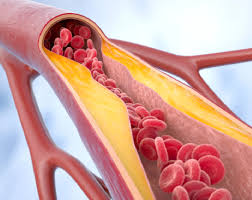
Specialists discovered that the therapy’s effectiveness is directly linked to the dosage, with the highest dose resulting in an average 62 percent drop in bad cholesterol among participants. Crucially, this effect proved to be long-lasting, as the low cholesterol levels remained stable in a significant portion of patients for at least one year. Medical experts note that if these findings are confirmed in larger-scale clinical trials, medicine will gain an exceptionally powerful tool against heart attacks and strokes, which are frequently caused by blocked arteries.
During the first phase of the clinical trial, no major safety concerns or severe adverse events were reported. The pharmaceutical company Eli Lilly, which is backing the project, is already planning to launch the second phase of trials to examine the long-term safety and efficacy of the gene therapy in greater detail. If successful, this approach could free millions of patients from the burden of daily pill regimens and spark a true revolution in cardiology.
