According to a new, comprehensive report commissioned by the UK government, the number of attention-deficit/hyperactivity disorder (ADHD) diagnoses has reached unprecedented levels. The document emphasizes that by “medicalizing” normal childhood behavior, society is seriously harming younger generations, undermining adolescents’ confidence in their abilities and diminishing their ambitions.
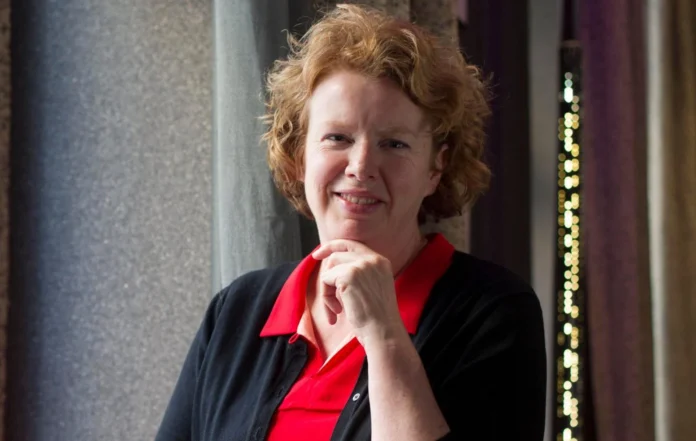
Dr. Suzanne O’Sullivan, a leading neurologist at the National Hospital for Neurology and Neurosurgery in London, argues that these diagnoses are often unnecessary. According to O’Sullivan, turning these difficulties into medical diagnoses is frequently counterproductive, and providing support without a formal diagnosis may produce far better outcomes.
Experts do not deny that young people, particularly those aged 16 to 24, face serious psychological challenges. Statistics show that one in four people in this age group now meets the criteria for a mental disorder, compared with one in six in the past.
Since 2020, ADHD diagnoses have increased “astronomically.” Key factors cited include trends on social media, public statements by celebrities, and growing public interest in diagnostic labels. Dr. O’Sullivan urges people to approach information circulating on social media with skepticism, as entirely normal human characteristics — such as absent-mindedness, losing things, or temporary low moods — are mistakenly interpreted as signs of pathology. Financial incentives at private clinics are also accelerating the trend. The report explicitly recommends banning advertisements from clinics that promise patients rapid diagnoses.
The neurologist places particular emphasis on the danger of the so-called “self-fulfilling prophecy.” She argues that telling an adolescent that their brain is wired incorrectly for certain tasks can seriously undermine their motivation. This changes both how individuals perceive themselves and the expectations others have of them.
In addition, the doctor strongly criticizes an established practice in education: granting students with ADHD extra time during exams or providing special, separate testing environments. According to O’Sullivan, there is no scientific evidence to support the effectiveness of such measures. On the contrary, they deprive children of opportunities to learn how to work under time constraints and cope with uncomfortable environments. Later, in real-world, competitive workplaces, where employers cannot accommodate every individual’s needs, these young people may face significant obstacles.
“We are telling young people: if you get this diagnosis, the world will adapt to your needs. In reality, we should be teaching them how to find their place and overcome obstacles in this complicated world,” Dr. O’Sullivan says.
Rather than resorting to medical interventions and labeling children with neurodevelopmental disorders, experts see potential solutions in a healthy lifestyle, limiting screen time, and creating stimulating environments that encourage physical activity. According to the doctor, it is wrong to look for the problem solely in adolescents’ brains; society should pay greater attention to improving environmental factors.