


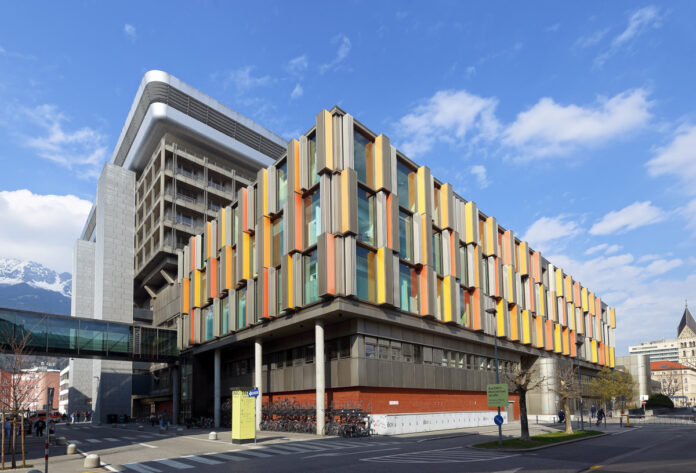
In the heart of the Austrian Alps, in the city of Innsbruck, cardiology is entering a new digital era. Researchers from the Medical University of Innsbruck are discussing new Artificial Intelligence (AI) capabilities and techniques that can extract life-critical information from a standard electrocardiogram (ECG)—information that is virtually impossible for the human eye to read. A thorough discussion of this developmental step is scheduled for the 28th Cardiology Congress, to be held in Innsbruck on March 5-7.
For decades, the ECG has been considered the cornerstone of cardiac diagnostics, allowing clinicians to quickly obtain information about the heart’s electrical activity. In the classical sense, signs like ST-elevation indicate an ischemic myocardial infarction. However, unfortunately, not all life-threatening heart injuries produce such clear signs. For example, Occlusive Myocardial Infarction (OMI) without ST-elevation shows only minor electrical deviations, making its detection an extremely difficult task even for the most experienced clinicians.
Artificial Intelligence as a “Cardiological X-ray”
Under the leadership of Professor Axel Bauer, Director of the Department of Cardiology and Angiology at the Medical University of Innsbruck, and Professor Clemens Dlaska, developed algorithms analyze high-resolution ECG signals using patterns invisible to the human eye. These include high-frequency waveform details and complex electrical patterns that correlate with severe coronary artery blockages. Essentially, the AI acquires a form of “X-ray vision.” The program can analyze up to one million existing data points in 10 seconds to provide a final diagnosis.
Crucial Research Results
In a recent study based on the ECGs of nearly 50,000 patients, Innsbruck’s AI showed remarkable results in detecting hidden blockages, which are often the cause of delayed treatment and worse outcomes. Additionally, the system can assess a patient’s “biological heart age.” A heart age significantly higher than a person’s chronological age (e.g., by 8 years or more) indicates a significantly higher risk of future heart attacks, including unrecognized blockages and sudden cardiac death.
From Research to Real-World Results
The next step is transferring these algorithms into clinical practice, particularly in emergency departments. By providing doctors with an AI-driven “second opinion,” the technology promises to drastically reduce missed diagnoses, ensure faster intervention, and ultimately save lives. Trial studies are already underway at Innsbruck University Clinics to test the system in real clinical situations.
Beyond real-time diagnostics, AI can facilitate risk assessment, personalized therapy decisions, and the development of preventive strategies. For example, high-risk patients can be prioritized for early coronary angiography or targeted interventions.
A Global Platform for Cardiology
Innsbruck will host the 28th Cardiology Congress (March 5-7, 2026), serving as an international stage to present these innovations. More than 1,000 cardiologists, AI researchers, and clinicians are expected to attend. Key highlights include:
-
AI workshops.
-
Demo versions of digital cardiology software.
-
In-depth thematic reviews.
The Innsbruck initiative signals a new era in cardiology where AI is not just a support tool but a clinical partner. Early detection of hidden myocardial infarction, assessment of biological heart age, and personalized risk determination can significantly reduce mortality and improve patient prognosis.
Source: i-med.ac.at
