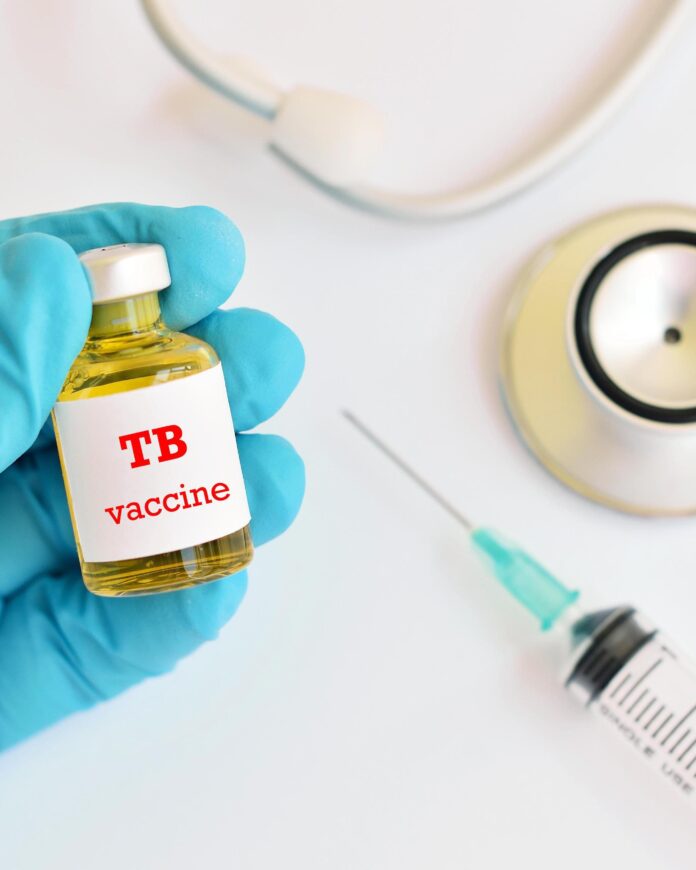
A joint study by the Johns Hopkins University School of Medicine and the Bloomberg School of Public Health, published in the prestigious scientific journal Journal of Clinical Investigation, presents the results of a preclinical evaluation of a new therapeutic intranasal DNA vaccine against tuberculosis (TB). The vaccine combines two genes designed to mobilize the immune system against persistent bacteria that remain viable despite long-term antibiotic therapy and represent one of the primary pathogenetic factors for post-therapeutic relapse.
Tuberculosis remains one of humanity’s oldest and most severe diseases. According to World Health Organization (WHO) data, approximately one-quarter of the global population (2 billion people) has latent tuberculosis infection (LTBI). According to 2024 global statistics, more than 10 million people developed the active form of the disease, and the mortality rate reached 1.2 million. Based on these figures, tuberculosis maintains its lead in the ranking of mortality caused by infectious etiology.
In recent years, the WHO has been actively calling on international research institutes to develop therapeutic vaccines that, in combination with pharmacotherapy, will help reduce treatment duration and improve clinical outcomes. This need is particularly urgent because, on one hand, completing long courses of antibiotic therapy is difficult for patients, and on the other, the global prevalence of multi-drug resistant (MDR-TB) and extensively drug-resistant (XDR-TB) strains is increasing.
According to the study’s lead author, Styliani Karanika:
“When used alongside first-line anti-tuberculosis drugs, the new intranasal DNA vaccine rapidly ensured the elimination of microbial load in infected mice, reduced lung inflammation, and prevented relapse after the completion of treatment. The vaccine also significantly enhanced the bactericidal effect of bedaquiline, pretomanid, and linezolid, indicating its promising potential for use in combination regimens for MDR/XDR-TB treatment.”
The scientist explained that the new vaccine combines two genes—relMtb and Mip3α—is administered intranasally, and possesses several immunobiological advantages. The tuberculosis bacterium carries the relMtb gene, which produces the RelMtb protein; the latter helps the microbe survive under stressful conditions (such as antibiotic exposure, hypoxia, and nutrient deficiency), in response to which the bacterium enters a drug-tolerant “persistent” state.
The fusion of the relMtb gene with the Mip3α gene generates a specific signal that attracts immature dendritic cells. These cells efficiently identify and “present” Mtb antigens to T-lymphocytes, leading to the formation of a powerful adaptive immune response.
Intranasal administration of the vaccine ensures that vaccination is focused on the mucosal lining of the respiratory tract in the lungs—the primary site of infection localization. This promotes the development of both local (mucosal) T-cell immunity and a systemic immune response.
By integrating state-of-the-art treatment approaches, scientists aim to boost immune activity directly within the respiratory tract. In mouse studies, the vaccine increased the recruitment and functional activation of dendritic cells, improved the degree of dendritic and T-cell organization in the lungs, and generated a sustained, antigen-stimulated T-cell response (primarily from two types of T-cells: CD4 (helper T-cells) and CD8 (killer T-cells)).
Additionally, scientists conducted studies in primates and discovered that the new vaccine induced a measurable, tuberculosis-oriented immune response in the blood and airways. This immune profile correlated with the reduction in bacterial load observed in mice. The response was maintained for at least six months, indicating the durability of the vaccine’s effect.
The authors conclude that the vaccine offers significant prospects for the immunotherapeutic treatment of tuberculosis. Its use in combination with antibiotic therapy will make it possible to enhance treatment efficacy. However, additional preclinical evaluations and safety studies are necessary before beginning clinical trials in humans.