



In 2026, a significant historical milestone was achieved in medicine: for the first time, a coronary artery bypass was performed in a human without opening the chest. This method represents a completely new approach that may significantly transform traditional open-heart surgery in the future.
Coronary artery bypass grafting, which for decades has been considered the gold standard for the treatment of multivessel coronary artery disease, traditionally requires sternotomy and direct surgical access to the heart. The new method fundamentally changes this concept, as the procedure is performed using a catheter through the blood vessels, without opening the chest.
The first such procedure was carried out in the United States through a collaboration between the National Institutes of Health and Emory School of Medicine.
The procedure was performed on a high-risk patient for whom conventional open surgery was practically impossible.
The essence of this new technique lies in the insertion of a catheter through the femoral or another peripheral vessel, allowing physicians to reach the heart. Subsequently, using specialized wires and a stent graft, a new pathway for blood flow is created, effectively performing the function of a bypass.
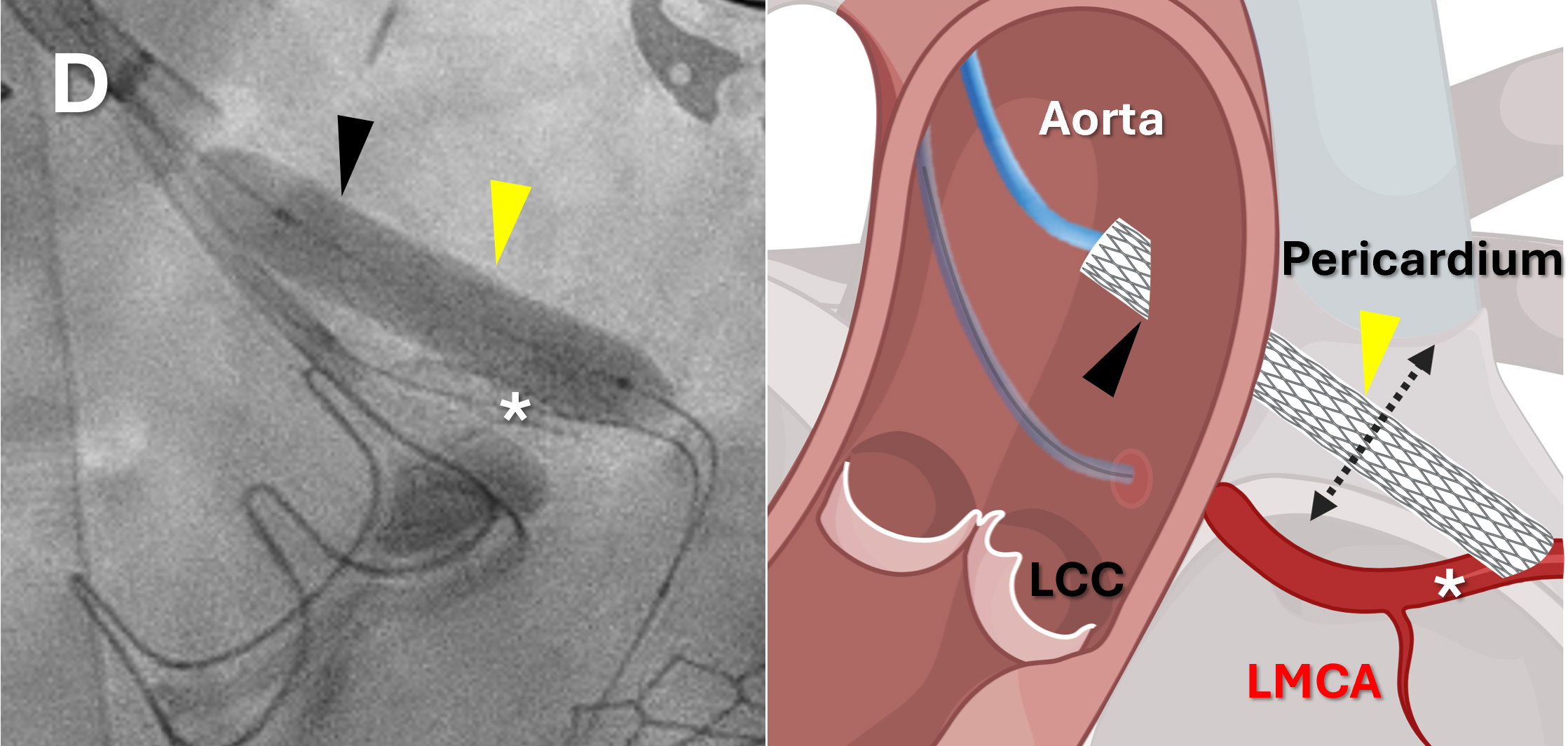
This procedure is known as VECTOR (ventriculo-coronary transcatheter outward navigation and re-entry), and it allows blood flow to be redirected from the aorta to the coronary artery without the need for any surgical incision.
It is important to emphasize that this method is still in the experimental stage. The initial results in the first patient are promising: after six months, no coronary obstruction was observed, and blood circulation was effectively restored.
However, despite these encouraging early outcomes, further studies and clinical trials are necessary to confirm the safety and effectiveness of the method in a broader patient population.
The potential significance of this technology is considerable. If widely implemented, it may enable complex cardiac procedures to be performed with minimal invasiveness, significantly reducing postoperative complications, recovery time, and hospital stay. This method may be particularly valuable for patients who cannot tolerate open-heart surgery due to high surgical risk.
In conclusion, fully catheter-based coronary artery bypass represents one of the most innovative directions in cardiovascular medicine. Although it is still in its early stages of development, it is already clear that such technologies may redefine classical surgical approaches and make treatment safer and more personalized.
