Pharmaceutical companies Moderna and Merck have successfully completed Phase 3 clinical trials of their melanoma vaccine. The new personalized vaccine, administered to patients following primary treatment, significantly reduces the risk of metastasis and death.
The experimental therapy trains the immune system to recognize and destroy neoantigens—specific proteins unique to the tumor. The technology breaks away from the conventional “one-size-fits-all” model. Instead of relying on a universal drug, clinicians sequence the tumor genome in real time to engineer a vaccine tailored to each patient’s individual genetic profile.
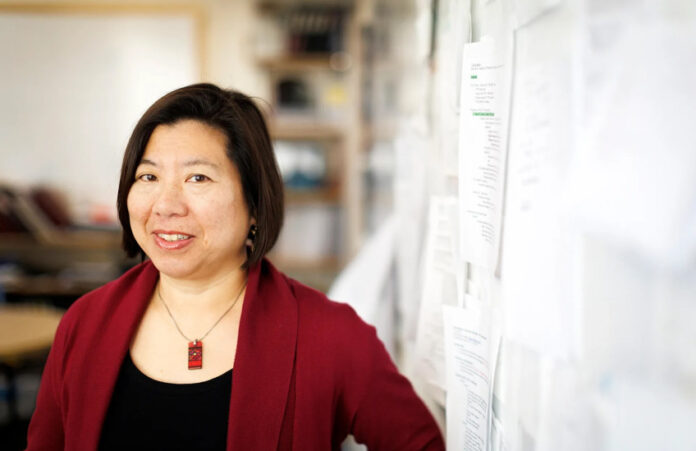
One of the pioneers of this innovative approach is Dr. Catherine Wu, professor at Harvard Medical School and researcher at the Dana-Farber Cancer Institute. A foundational 2017 study conducted by Wu and her colleagues—Nir Hacohen, Edward Fritsch, and Patrick Ott—paved the way for the development of personalized cancer vaccines.
“Even our small studies showed that vaccines targeting neoantigens can work across multiple cancer types. While the encouraging results from Moderna and Merck currently apply only to melanoma, I hope this is merely the first step, with many more breakthroughs to come,” Wu noted in an interview with the Harvard Gazette.
Moderna and Merck are currently conducting further trials involving thousands of patients using this technology. The approach is already undergoing clinical testing for renal, bladder, lung, and squamous cell carcinomas.
According to Wu, bringing this technology into clinical practice required developing an entirely new regulatory strategy with the U.S. Food and Drug Administration (FDA), as each dose is custom-manufactured for an individual patient rather than produced en masse. Despite this progress, the technology faces limitations: it remains less effective against malignancies characterized by a low tumor mutational burden (and consequently fewer neoantigens), such as pediatric tumors and hematologic cancers.
When asked whether this development heralds the end of cancer, Wu replied: “This might be the beginning of the end. We are witnessing a dramatic improvement in the landscape of cancer therapy. The primary challenge now is delivering these therapies to patients swiftly. This is certainly not the time to step back.”