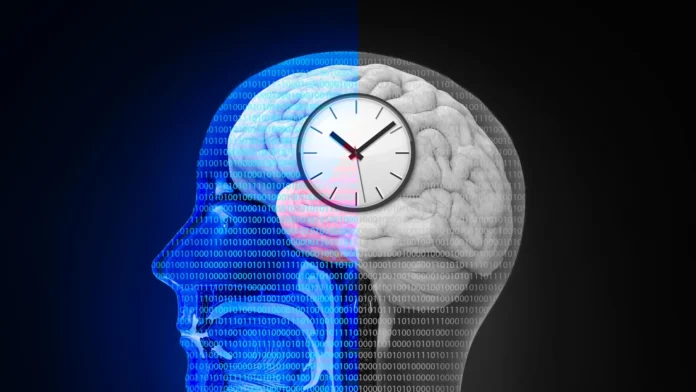
Following a stroke, the body’s circadian rhythm — a natural, approximately 24-hour biological cycle that influences sleep-wake patterns, hormone activity, and other physiological processes — is disrupted. According to a study from the University of Rochester Medical Center, strengthening this rhythm may promote recovery in the damaged brain after a stroke.
Researchers focused on the glymphatic system, which helps clear waste products and flow fluid through the brain. Its activity is particularly elevated during sleep. After a stroke, glymphatic system function declines, which may contribute to the accumulation of cytokines — proteins involved in inflammatory processes — in the brain.
Because of this, researchers examined how enhancing the circadian rhythm would affect glymphatic function. Initially, they tested four separate interventions in mice: light exposure, melatonin, KL001 — a synthetic compound that prevents the breakdown of core biological clock proteins in cells — and time-restricted feeding, where animals had access to food only during their natural active period. All four approaches improved glymphatic system function.
In the next phase, using a stroke model, researchers evaluated two of these four interventions: KL001 and time-restricted feeding. Both interventions were initiated three days after the stroke to determine how strengthening circadian rhythms would impact post-stroke recovery. Following these treatments, glymphatic function in the mice improved. Additionally, overall cytokine levels in the brain decreased, and motor functions improved. Researchers also noted a reduction in the size of the stroke lesion.
Interestingly, the two methods work through different mechanisms: KL001 acts directly and pharmacologically on cellular clock machinery, whereas time-restricted feeding acts on circadian rhythms behaviorally by aligning food intake with the organism’s natural period of activity.
A particularly significant aspect of this study is that circadian modulation was started three days post-stroke — well past the narrow therapeutic window required for clot-dissolving medications and other acute interventions. These positive outcomes suggest that strengthening circadian rhythms could serve as the foundation for a new therapeutic approach in long-term brain recovery and rehabilitation.
The study has so far been conducted only in mice, and its effects have not yet been confirmed in humans. Future research will be needed to determine how circadian rhythms, glymphatic function, and inflammatory processes are interconnected, and whether these strategies can be tested in clinical trials.