Scientists are now investigating CAR T-cell therapy, traditionally used in oncology, for the treatment of autoimmune diseases. This approach could help patients with severe autoimmune conditions achieve long-term remission and discontinue immunosuppressive medications. Preliminary results are promising, though larger-scale studies are still needed to confirm the method’s efficacy and safety.
In a Phase I/IIa study—CASTLE—published in the journal Nature Medicine in 2026, researchers from the Friedrich-Alexander University Erlangen-Nürnberg and University Hospital Erlangen evaluated CAR T-cell therapy in 24 patients with three severe autoimmune diseases: systemic lupus erythematosus, systemic sclerosis, and idiopathic inflammatory myopathies. Participants’ diseases remained active despite previous treatments.
How Does CAR T-Cell Therapy Work?
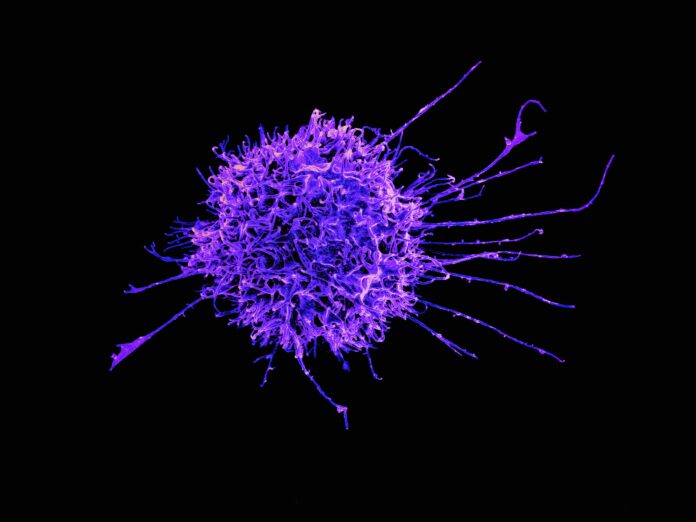
During CAR T-cell therapy, a patient’s T-lymphocytes are extracted from the body and genetically modified to recognize a specific target. In this case, the target is the CD19 protein, which is found on the surface of B-lymphocytes. B-cells are involved in the immune response, including the production of autoantibodies, and contribute to the development and activity of certain autoimmune diseases. After being reinfused into the body, the modified T-cells destroy the CD19-bearing B-cells.
There are several types of B-cells that differ in function and stage of development. “Naive B-cells” are those that have not yet encountered their corresponding antigen and have not been activated in response. Memory B-cells maintain immunological memory and facilitate a rapid immune response upon re-encountering the same antigen, while plasmablasts are actively antibody-producing cells. Certain types of these cells (memory B-cells and plasmablasts) produce autoantibodies that attack the body’s own tissues and participate in the development and activation of autoimmune diseases.
In 13 patients analyzed in the CASTLE study, B-cell repopulation predominantly (90%) revealed “naive B-cells” (without prior antigen contact), while memory B-cells and plasmablasts were barely detectable. This finding suggests that following CAR T-cell therapy, the immune system may rebuild with a different composition, contributing to reduced disease activity; however, further studies are required to confirm this connection.
The study used a CD19 CAR T-cell product—Zorpo-cel (zorpocabtagene autoleucel)—manufactured from the patient’s own T-lymphocytes. Prior to therapy, patients discontinued immunosuppressive treatment and underwent lymphodepleting chemotherapy using cyclophosphamide and fludarabine to create favorable conditions for the genetically modified T-cells.
Over a 24-week follow-up period, 22 out of 24 patients met the study’s pre-defined efficacy criteria. Nine out of 10 patients with systemic lupus erythematosus achieved remission, all nine patients with systemic sclerosis showed no progression of interstitial lung disease, and four out of five patients with idiopathic inflammatory myopathies showed a major or moderate response to treatment. Patients with systemic sclerosis also experienced a reduction in skin fibrosis, measured via a specialized clinical assessment scale.
Another key finding was that all 24 patients were able to stop glucocorticoids and other immunosuppressive treatments, which was sustained throughout the 24-week follow-up period. The median follow-up duration was 13 months, extending up to 23 months in individual patients. No disease relapses were recorded during this period.
Scientists obtained similar results earlier in a 2022 pilot study published in Nature Medicine. In that study, all five patients with treatment-resistant systemic lupus erythematosus achieved remission following CAR T-cell therapy, remaining drug-free throughout the observation period. These findings strengthened the hypothesis that the therapy’s effect may extend beyond temporary B-cell depletion and relate to a functional “reset” of the immune system.
Despite promising results, the therapy carries risks. In the CASTLE study, one patient developed cytomegalovirus (CMV) reactivation, accompanied by acute kidney injury and thrombotic microangiopathy. The infection resolved after treatment, but renal dysfunction persisted. Three cases of late, severe neutropenia were also observed, where neutrophil counts in the blood decreased more than 28 days post-infusion. All three cases occurred in patients with systemic lupus erythematosus and resolved after treatment with granulocyte colony-stimulating factor (G-CSF). Regarding side effects characteristic of CAR T-therapy, notably, no case of cytokine release syndrome (CRS) was worse than grade 2, and immune effector cell-associated neurotoxicity syndrome (ICANS) was not observed. These data highlight the importance of long-term monitoring of blood cell recovery and infection risk to assess therapy safety.
Another limitation of the study is the small sample size. CASTLE was an early-phase study without a control group; thus, the results cannot yet confirm that CAR T-cell therapy is superior to existing treatments. Furthermore, B-cell count and composition recovery varied among patients, warranting further study of post-treatment immune responses and potential long-term risks.
The goal of researchers is to determine whether CAR T-cell therapy can provide long-term, drug-free remission in severe, treatment-resistant autoimmune diseases. At this stage, the results are promising, but larger studies and long-term patient monitoring are essential before the method can be widely adopted.