


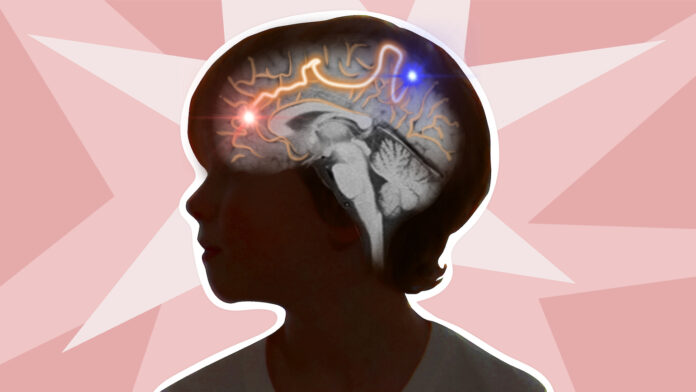
Preliminary results from a clinical trial published in The New England Journal of Medicine indicate major progress in treating resistant forms of epilepsy.
Clinical trials have shown that a new drug called Zorevunersen significantly reduces symptoms of Dravet Syndrome, one of the most challenging forms of epilepsy. This genetic disorder causes severe seizures that are often uncontrolled by traditional medications.
Study Results
The study, conducted by University College London (UCL) and Great Ormond Street Hospital, involved 81 children between the ages of 2 and 18. The results are as follows:
-
Reduction in Seizures: While the children averaged 17 seizures per month before the study, this figure dropped by 50% after the first dose of the drug.
-
Maximum Effect: After receiving three doses, the frequency of epileptic seizures decreased by an average of 80%.
-
Quality of Life: In addition to the reduction in seizures, patients showed improvements in motor skills and communication abilities.
Why is This Drug Special?
Until now, existing treatment methods focused solely on symptom management. Zorevunersen, however, targets the underlying cause of the disease. Experts explain that this represents the greatest hope for thousands of families, as children with Dravet Syndrome often require 24-hour supervision and remain at high risk.
What is the Next Step?
At this stage, the drug has proven to be safe and well-tolerated. The next step is a Phase III clinical trial, which will examine the drug’s long-term efficacy and potential rare side effects over a more extended period. Scientists believe this approach will pave the way for treating up to 800 other forms of genetic epilepsy.
