


Australian researchers have achieved one of the most remarkable advances in kidney cancer treatment in recent years, a development that could significantly change the way this disease is managed in the future. Scientists from the Peter MacCallum Cancer Centre in Melbourne presented the final results of the FASTRACK II clinical trial, demonstrating that a novel radiotherapy technique known as SABR can provide exceptional control of kidney tumors in patients who are unable to undergo surgery.
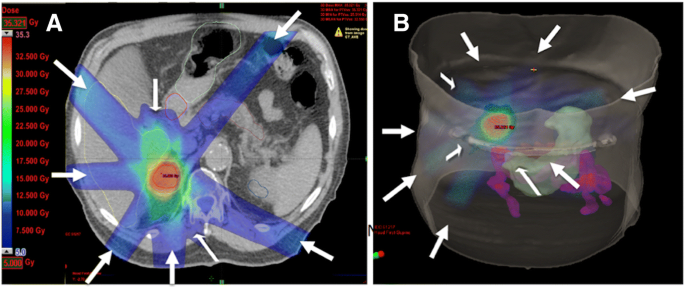
SABR, or Stereotactic Ablative Body Radiotherapy, is an advanced form of radiation treatment that delivers highly focused, high-dose radiation directly to a tumor with millimeter-level precision. Unlike conventional radiotherapy, this technology minimizes damage to surrounding healthy tissue, allowing treatment to be completed in just one or a few sessions. As a result, many patients can avoid surgery altogether.
The study enrolled 70 patients with primary kidney cancer who were considered unsuitable candidates for surgery because of advanced age, underlying medical conditions, or elevated surgical risk. The average age of participants was approximately 77 years. Researchers treated these patients with SABR and followed their outcomes for seven years. The results were striking: local tumor control was achieved in 100% of patients, meaning that none of the treated tumors showed further growth. Moreover, no deaths related to kidney cancer were reported during the follow-up period.
According to the researchers, such outcomes are extremely rare in oncology. Professor Shankar Siva, the study’s lead investigator, explained that modern imaging technologies and robotic radiation delivery systems have made it possible to administer much higher doses of radiation safely and accurately. These advances have transformed SABR into what many experts consider a potentially game-changing treatment for kidney cancer.
Another important finding of the study was the low rate of serious side effects. Although some patients experienced pain, nausea, or gastrointestinal symptoms, severe long-term complications were uncommon. Kidney function was also largely preserved, an especially important consideration in older patients and those with existing health problems.
Surgery remains the standard treatment for kidney cancer and typically involves removing either the tumor itself or the entire kidney. However, SABR is emerging as a completely non-invasive alternative. The procedure does not require anesthesia, can be performed on an outpatient basis, and involves minimal recovery time. Specialists believe that if future large-scale studies confirm these findings, SABR could become a new standard of care for selected patients with kidney cancer.
The results were presented at the annual congress of the European Society for Radiotherapy and Oncology in Stockholm and published in the prestigious journal The Lancet Oncology. Researchers are now planning a large Phase III trial that will directly compare SABR with surgical treatment. If the technology continues to demonstrate similar success, it could fundamentally reshape kidney cancer treatment in the years ahead.
