


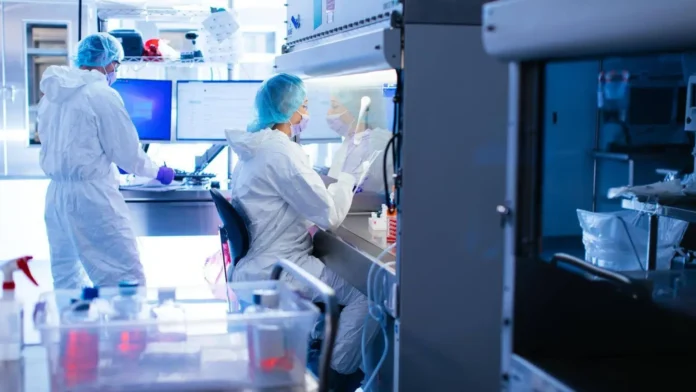
Mayo Clinic researchers have developed an innovative method to determine which proteins become the primary targets of immune system aggression. This discovery is revolutionary for transplantology and regenerative medicine, as it challenges the long-held assumption that all foreign proteins trigger an immune response of equal intensity.
Ratio of Immunogenicity (ROI) — A New Metric
According to the study’s author, Dr. Leigh Griffiths, some proteins trigger a severe reaction even in small quantities, while others go almost unnoticed by the body. The scientists created a specialized metric called the Ratio of Immunogenicity (ROI), which combines two factors: the quantity of a protein and the strength of its activity.
By analyzing hundreds of proteins using this method, patterns emerged that were previously unknown. As a result, researchers were able to rank proteins according to their “danger” level.
The Role of Mitochondria
One of the study’s most impressive findings relates to mitochondria, the cell’s power plants. It turns out that mitochondrial proteins trigger strong immune reactions far more frequently than other parts of the cell.
Scientists explain this phenomenon through evolutionary history: mitochondria, which are now an integral part of our cells, were independent bacteria millions of years ago. Researchers suggest that our immune system never fully recognized them as “its own.” As long as mitochondria remain protected inside the cell, the immune system does not notice them, and peace is maintained. However, as soon as a cell is damaged and these structures are released, the body immediately identifies them as foreign bacteria and launches a sharp attack.
What Will This Discovery Change?
This knowledge will allow doctors to significantly improve the transplantation process and predict organ rejection risks more accurately. Furthermore, this discovery paves the way for the creation of much safer implants, as scientists will be able to manufacture artificial organs and tissues that the immune system no longer perceives as “enemies.”
In parallel, it becomes possible to develop more precise and targeted treatment methods, which involve blocking the specific proteins that cause problems in the body. Simply put, scientists have learned to understand the language of the immune system—they now know exactly what it reacts to aggressively and how to avoid these threats to help patients recover effectively.
