


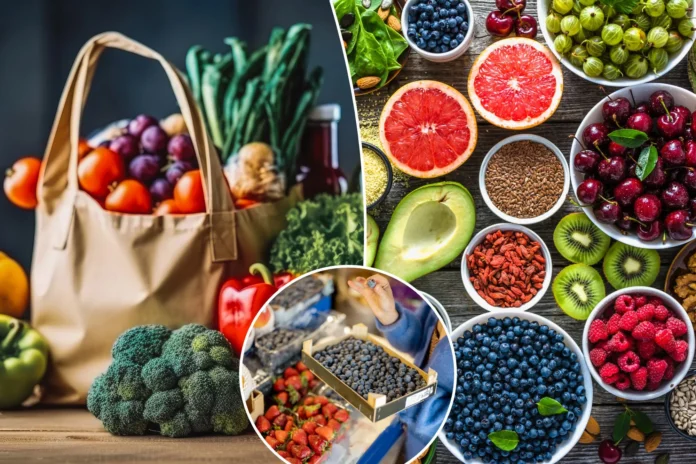
According to international health guidelines, consuming five portions of fruits and vegetables a day is essential. However, a new study shows that when it comes to heart health, making specific choices matters more than just the quantity. Scientists from the University of Reading, Harvard Medical School, and the University of California have found that most people fail to get the required amount of heart-healthy nutrients called flavanols, even if they conscientiously eat their daily recommended portions.
The issue is that most people do not consume enough flavanols—the most valuable plant-based compounds for the heart. According to a paper published in the journal Food & Function, a study examining the diets of over 30,000 people revealed that only one in five patients consumes the required daily allowance of these compounds, regardless of whether they eat a large total amount of fruits and vegetables.
To provide clarity for the reader, the study’s authors explain two key terms:
-
What does “5-a-day” mean? This is the daily allowance recommended by the UK’s National Health Service (NHS), where one portion equals 80 grams of fruit or vegetables (totalling 400 grams per day).
-
What are flavanols? These are plant-based antioxidants that maintain blood vessel elasticity, improve blood circulation, and significantly reduce the risk of mortality from heart disease. For full heart protection, a person needs 500 milligrams of flavanols per day.
The scientists have compiled a complete list of products that contain the highest amounts of flavanols and are vital to include in your diet:
-
Plums (approximately 450 mg of flavanols per 500 grams)
-
Cranberries (300 mg per 250 grams)
-
Blackberries (250 mg per 200 grams)
-
Green tea (200 mg per one 250 ml cup)
-
Broad beans / Fava beans (140 mg per handful, or 80 grams)
-
Cherries (130 mg per 400 grams)
-
Apples with skin (110 mg per medium apple, or 200 grams)
-
Strawberries (90 mg per 200 grams)
-
Blueberries (80 mg per 150 grams)
-
Beans (70 mg per two tablespoons of dried beans)
The authors of the study note that adding even one whole unpeeled apple, a handful of blackberries, or blueberries to your daily diet, and washing it down with a cup of green tea, can have a distinct and tangible impact on cardiovascular health. The scientists believe that based on these findings, official nutritional guidelines will become much more specific and effective in the future.
