


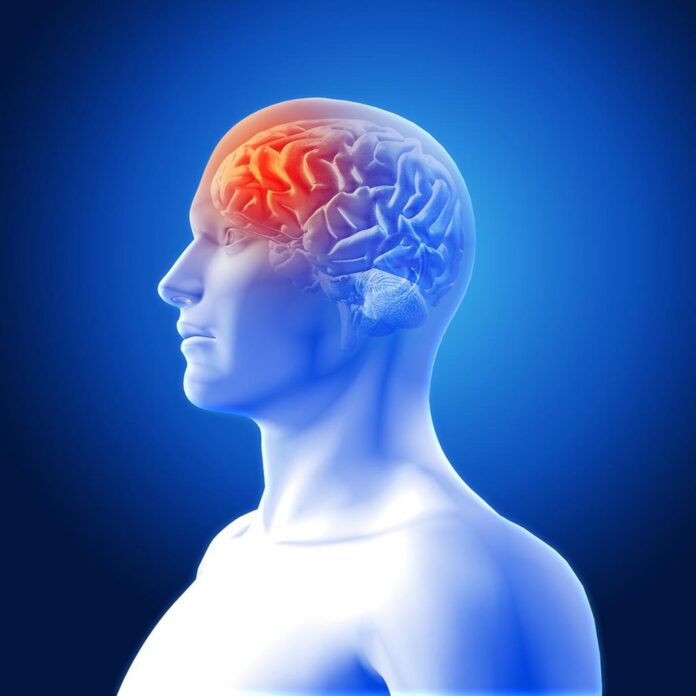
Migraine is a common neurological disorder affecting hundreds of millions of people worldwide. Despite its high prevalence and significant impact on quality of life, many myths persist in society, leading to stigmatization, incorrect self-diagnosis, and general confusion. Relying on reliable sources and scientifically proven facts helps us understand what migraine truly is—and what it is not.
What Migraine Actually Is
A migraine is not just a headache. It is the result of complex neurological activity involving abnormal brain function. This activity affects nerve impulse transmission, blood vessels, and sensory-analytical functions.
Typical characteristics include:
-
Intense, throbbing, or pulsating pain, often localized to one side of the head.
-
Other symptoms: Nausea, dizziness, sensitivity to light (photophobia) or sound (phonophobia), and cognitive impairment.
-
Aura: A phase known to the public involving sensory disturbances.
Migraine attacks often occur in phases:
-
Prodrome: Early warning signs.
-
Aura: May include sensory disturbances.
-
Attack: The pain phase.
-
Postdrome: The “hangover” or recovery phase.
Brain neural pathways and the trigeminal nerve play a crucial role in generating migraines, while substances like CGRP (calcitonin gene-related peptide) are directly involved in the pain process.
Common Migraine Myths
-
Myth 1: “It’s just a bad headache.”
-
Fact: Migraine is a neurological disorder that affects multiple sensory functions and the nervous system, capable of disrupting daily life entirely.
-
-
Myth 2: “Only women get migraines.”
-
Fact: While more common in women due to hormonal factors (especially during reproductive years), migraines also affect men and children.
-
-
Myth 3: “Every migraine attack includes an aura.”
-
Fact: Only about 25–30% of patients experience an aura. Most attacks occur without it.
-
-
Myth 4: “Migraine can be cured by diet.”
-
Fact: No specific diet 100% cures or prevents migraines. While some foods are triggers, these vary wildly by individual. Often, food cravings are actually part of the prodrome phase rather than the cause.
-
-
Myth 5: “Just relax and the pain will go away.”
-
Fact: Stress management helps, but migraine is a biological condition rooted deep in the brain, not just a stress-dependent state.
-
-
Myth 6: “Diagnosis requires high-tech imaging.”
-
Fact: Diagnosis is primarily clinical, based on history and symptoms. MRI or CT scans are used only to rule out other pathologies.
-
-
Myth 7: “Migraine medications are a panacea.”
-
Fact: There is no universal cure, but there are effective treatments, including preventive therapies. New drugs targeting CGRP are showing particularly promising results.
-
Self-Management Strategies
To manage migraines, avoid triggers (light, noise, specific smells) and keep a migraine diary. This helps you and your doctor identify patterns: when the process starts, individual triggers, and what reduces pain intensity.
Migraine is not a result of “weakness” or “imagination.” It is a biological condition requiring both medication and behavioral strategies. By combining proper pharmacological treatment with evidence-based self-management, patients can significantly lower their attack threshold and regain control over their lives.
source: tagesschau.de
