



In the 1920s, engineer Thomas Midgley created a gasoline anti-knock additive called tetraethyl lead. The substance effectively eliminated engine noise but was characterized by deadly toxicity to the environment. To reassure the public, Midgley inhaled lead fumes for a full minute in front of journalists. Despite his claims that the substance was safe, the inventor soon became severely poisoned by lead, and his life ended tragically years later.
This dangerous trend was challenged by geochemist Clair Patterson. Through the analysis of lead isotopes, he determined the exact age of the Earth (4.55 billion years) and simultaneously discovered that lead content in the atmosphere was increasing catastrophically. Despite resistance from large industrial corporations, the data collected by Patterson led to the gradual banning of lead use in the 1970s.
Why is Lead Dangerous?
Lead (Pb) makes up only 0.002% of the Earth’s crust, yet due to industrial activity, it has become one of the most dangerous environmental pollutants. Scientific research confirms that lead is carcinogenic and disrupts any biochemical process upon entering the body (via inhalation or food).
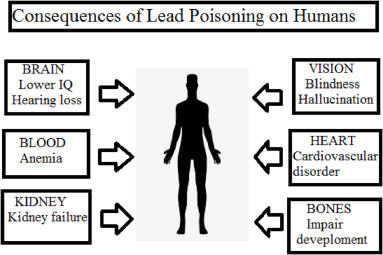
Upon entering the body, lead causes complex pathophysiological changes. Approximately 40–50% of toxic particles received through inhalation pass directly into the systemic blood circulation, while the body absorbs 30–60% of this metal through food and water.
Furthermore, lead replaces vital bivalent cations such as calcium, which fundamentally disrupts cellular homeostasis. This molecular replacement leads to multi-organ damage: Degenerative changes in the nervous system; Decreased filtration capacity of the kidneys; Functional disorders of the cardiovascular system.
Children are at particular risk because their bodies absorb lead much more actively than adults. A concentration of ≥10 µg/dL in the blood is already considered a critical threshold, leading to irreversible neurotoxic changes, cognitive delays, behavioral disorders, and respiratory diseases such as asthma. Since lead is not biodegradable, even regular intake of small doses leads to accumulation and chronic intoxication, damaging human health for decades.
University of Utah Study
A century after Patterson’s battle, researchers at the University of Utah evaluated the results of this historical struggle using an innovative method. They analyzed a unique collection of hair samples (1916–2024) from residents of Salt Lake City.
Lead binds to the outer layer of the hair, the cuticle, from atmospheric air, skin, and food. The substance remains in the hair structure for a long time and is not easily removed by water. Using mass spectrometry, scientists were able to identify lead even in a single strand of hair.
For the analysis, researchers used both modern samples and ancestral hair obtained from old family albums. Utah’s rich metallurgical history allowed scientists to study the combined influence of factory and automobile emissions in detail.
From Crisis to Ecological Purity
1916–1969: Lead concentration in hair fluctuated between 28 and 100 ppm.
1970s: The average mark was 50 ppm.
1990s: This figure decreased to 10 ppm.
Post-2020: The average level was recorded at less than 1 ppm.
The hundredfold reduction in lead levels over the decades confirms the effectiveness of state regulations. This dynamics exactly coincides with the steps taken by the Environmental Protection Agency (EPA). Based on the “Clean Air Act”of 1974, lead content in gasoline was significantly reduced, and in 1984, its use for automobiles was finally banned.
Study co-author Thure Cerling believes that the lessons of history should not be forgotten. Although environmental standards represent a short-term financial burden for industry, in the long-term perspective, they yield immense benefits for public health.
Georgia: National Research Results
Parallel to international trends, the Multiple Indicator Cluster Survey (MICS) conducted in Georgia showed an alarming picture. In 2018, the large-scale study conducted by UNICEF and the National Center for Disease Control (NCDC) revealed that 41% of investigated children had blood lead levels of ≥5 μg/dL, which significantly exceeds international norms.
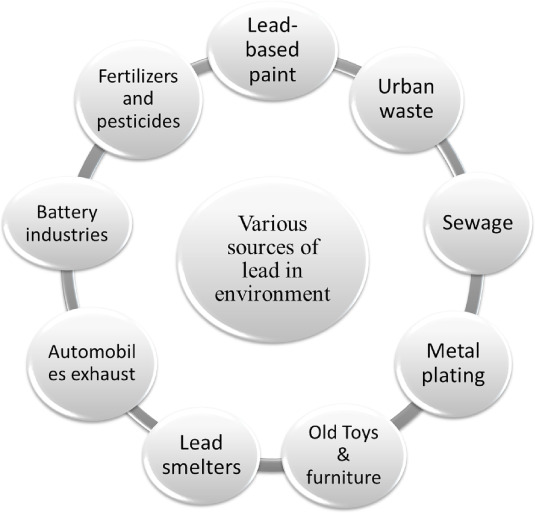
The sources of lead pollution in Georgia are specific. While gasoline was the primary historical problem in the US, research in our reality highlighted: Contaminated soil and old paints; Certain types of construction materials; Colored spices, where lead additives were used to enhance color.
In response, Georgia developed the “National Strategy for Blood Lead Level Management,” followed by positive dynamics. Activation of state structures, including the National Food Agency and the Environmental Supervision Department, facilitated the removal of lead-containing products (especially spices and toys) from the market and the establishment of strict controls.
However, reality shows that the battle is not yet over. Despite some successes, the necessity for the collection of the latest and regular data in the country remains. Studies conducted since 2018 are fragmented, and more large-scale, periodic monitoring is needed to accurately determine how effective current interventions are in the long-term perspective.
Source: PNAS
