


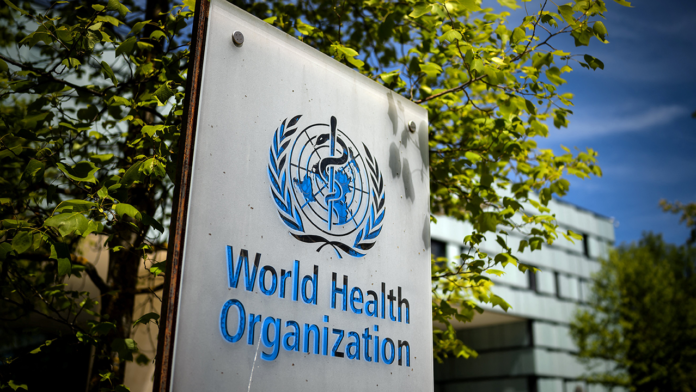
On January 24, 2026, the World Health Organization (WHO) released a statement expressing sorrow over the decision by the United States to withdraw from the organization, labeling several allegations made by Washington against the WHO as unfounded. This issue is currently being actively discussed both in the WHO Executive Board and in upcoming sessions of the World Health Assembly.
WHO’s Statement in Historical Context
The World Health Organization emphasizes that the United States is a founding member of the organization and has played a significant role in global health for decades. The organization highlights the U.S. contribution to major achievements, such as the complete eradication of smallpox, and notes the service provided in the fight against infectious diseases like polio, HIV/AIDS, Ebola, influenza, tuberculosis, malaria, and many others.
However, the statement clearly expresses the dissatisfaction caused by the U.S. decision:
“WHO regrets the decision made by the United States to withdraw from the organization, as this decision makes both the United States and the entire world less safe.”
According to the organization, the weakening of global coordination poses a direct threat to the monitoring of infectious diseases, emergency response, and international cooperation, especially in conditions where modern epidemics do not recognize borders.
Response to U.S. Criticism
A significant part of the statement is dedicated to addressing the allegations and criticisms raised by U.S. officials, which they claim ultimately led to the decision to withdraw from the organization.
WHO cites statements made by U.S. officials and notes:
“The United States has stated in its declarations that the WHO ‘undermined, damaged its reputation, and caused offense,’ as well as violated its own independence. The reality is the opposite.”
The organization categorically denies all allegations related to bias and increased political influence.
“As a specialized agency of the United Nations governed by 194 member states, WHO has always been and remains impartial, serving all countries with respect for their sovereignty, free from fear and bias.”
This statement comes against the backdrop of U.S. officials accusing WHO of making mistakes in pandemic management, particularly regarding COVID-19.
This direct contradiction is highlighted against the backdrop of broad international debates, following statements from U.S. leaders, including Secretary of State Marco Rubio and Secretary of Health Robert F. Kennedy Jr., asserting that the WHO’s response to the pandemic was flawed. Independent media reports indicate that some U.S. criticism of WHO was related to its management of the COVID-19 pandemic.
COVID-19 Pandemic as a Source of Disagreement
One of the main issues of disagreement between WHO and the U.S. is the management of the COVID-19 pandemic. The U.S. claims that the organization failed to provide timely and accurate dissemination of critical information, which led it to conceal its own shortcomings.
WHO defends its position, stating that no organization or state had an ideal response during the pandemic.
“During the pandemic, WHO acted swiftly, sharing all available information and transparently providing recommendations to all member states, based on available evidence.”
Future Cooperation and Global Health Goals
WHO’s statement also focuses on the organization’s future plans. Notably, the adoption of a Pandemic Agreement is highlighted, which aims to strengthen global preparedness and response capabilities.
In conclusion, WHO expresses hope that the U.S. will return to active cooperation in the future:
“We hope that in the future, the United States will return to active participation in WHO.”
The organization reaffirms its core mission:
“WHO continues to work with all countries in accordance with its constitutional mandate—to ensure the highest possible level of health as a fundamental right for all people.”
Global Reaction and Potential Consequences
Alongside WHO’s official statement, international reactions are mixed. Some countries and regions, according to reports from Reuters, are seeking alternative avenues for collaboration to maintain connections with WHO.
Some experts believe that the formal withdrawal of the U.S. will weaken global epidemic oversight and international influence, while supporters of the decision view it as a reinforcement of national sovereignty.
In conclusion, WHO’s statement carries a clear message: global health is effective only under conditions of cooperation, and collective action makes the world safer than isolation.
