


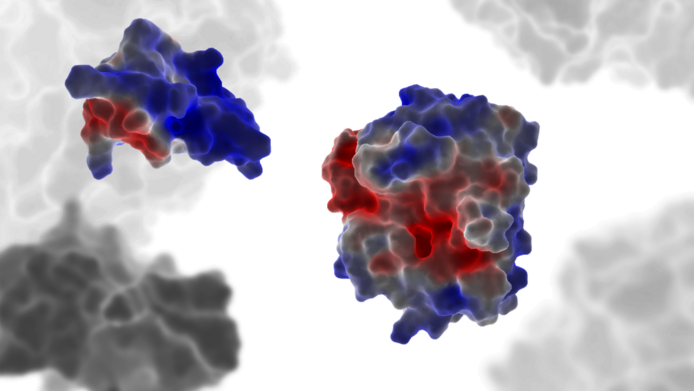
At the center of the investigation was the well-known tumor suppressor protein p16, which plays a crucial role in cellular senescence and the prevention of oncological processes. In the catalog of Abcam, one of the largest antibody manufacturers, there was an antibody with a specific code that, due to its naming, led researchers to assume it targeted this exact protein. In reality, this antibody was intended for a completely different, structurally distinct protein that simply shared a similar name or designation.
This nomenclatural confusion triggered a genuine “domino effect” in the biomedical field. Independent scientific detectives and researchers discovered that this specific incorrect antibody appears in more than 300 published scientific papers. Since scientists frequently rely on the experience of their peers and purchase the exact same reagents, the error spread sequentially from one laboratory to another. Given that p16 is a fundamental marker in cancer research, this mistake calls into question numerous important conclusions in oncology from recent years.
What causes the greatest surprise and suspicion within the scientific community is how researchers managed to obtain the “correct” and desired results despite using the wrong antibody. Some experts believe this points to a deeper crisis in biomedical research, where academic pressure sometimes causes scientists to overlook inaccuracies or tailor data to fit a desired hypothesis. Although some heads of leading laboratories initially denied the mistake, verifying the product codes conclusively confirmed the use of the incorrect reagent.
Faced with this situation, many scientific journals will have to issue mass corrections or completely retract these papers in the near future. Concurrently, manufacturing companies are actively considering modifying product descriptions and adding explicit warnings. However, this case remains a primary lesson for researchers themselves, who must not blindly trust commercial catalogs and must perform rigorous laboratory validation of the antibodies used before starting an experiment.
