


The diagnosis of obesity has traditionally been based on the assessment of Body Mass Index (BMI), which is a simple ratio of weight to height. However, BMI alone does not reflect the complexity of excess adiposity and the metabolic risks associated with it.
The latest international consensus guideline published in the journal The Lancet Diabetes & Endocrinology offers an updated definition of obesity that integrates multiple anthropometric indicators (the measurement/description of the entire human body and its separate parts, and the quantitative characterization of their variability) and an adequate assessment of body fat mass. This paradigmatic change is a significant advancement in the clinical evaluation and management strategies for obesity.
Updated Diagnostic Criteria
According to the updated classification, the diagnosis of obesity is made if the patient meets any of the following criteria:
Elevated BMI + at least one anthropometric indicator, for example, waist circumference, Waist-to-Hip Ratio, or Waist-to-Height Ratio; OR BMI > 40.
Elevation of two or more anthropometric indicators, even if BMI is within the normal range.
Excess Body Fat (Adiposity), which is objectively confirmed by radiological imaging methods, for example, Dual-Energy X-ray Absorptiometry (DXA).
Categorization of Obesity
The new guidelines divide obesity into two categories:
Clinical Obesity: The presence of excess body fat + at least one obesity-associated organic dysfunction or physical limitation.
Preclinical Obesity: Excess adiposity without organ damage, but which increases the likelihood of developing future cardiometabolic risks without treatment.
This division facilitates the stratification of patients by risk level: high-risk individuals require immediate intervention, while the management of the low-risk group can be achieved with conservative methods, such as lifestyle changes.
BMI, a widely used tool, cannot distinguish between fat and non-fat tissue and does not take into account fat distribution, especially the role of abdominal fat, which is closely linked to metabolic pathologies. The new criteria fill this gap by adding waist measurements and objective assessment of body fat.
The use of the new definition in a large U.S. population study (All of Us [AoU] study) revealed a substantial increase in the prevalence of obesity: from 43% by the traditional BMI criterion to 69% by the new definition. This increase was attributed to the population that fell within the normal BMI range but had an increased risk of cardiometabolic complications due to excess fatty tissue (especially central distribution).
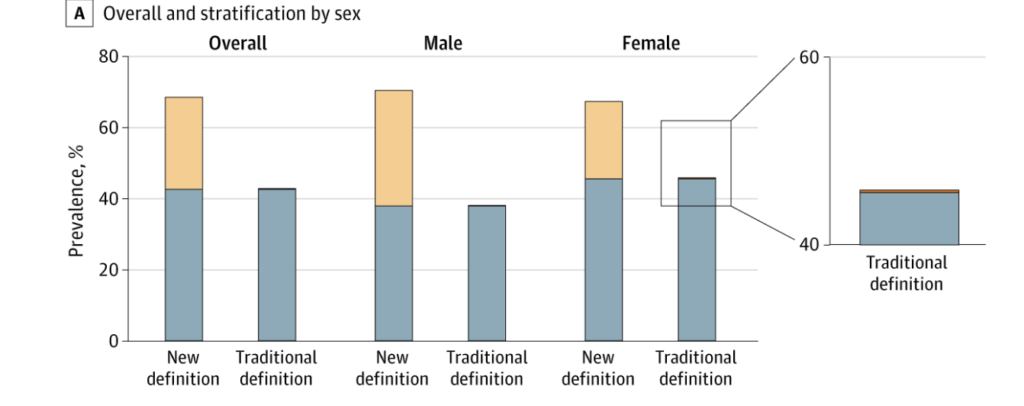
Obesity Phenotypes and Risks
The AoU study analysis divided obesity phenotypes into the following categories:
BMI + Anthropometric Obesity: Elevated BMI + elevated waist circumference or associated indicators.
Anthropometric Obesity Only: BMI within the normal range, but elevated waist circumference or other anthropometric indicators.
Individuals who had both indicators elevated (BMI + Anthropometric) had a higher frequency of clinical obesity and organic dysfunction than those with only anthropometric obesity. Nevertheless, even those who had a normal BMI but elevated anthropometric markers had an increased risk of diabetes, cardiovascular complications, and All-cause Mortality.
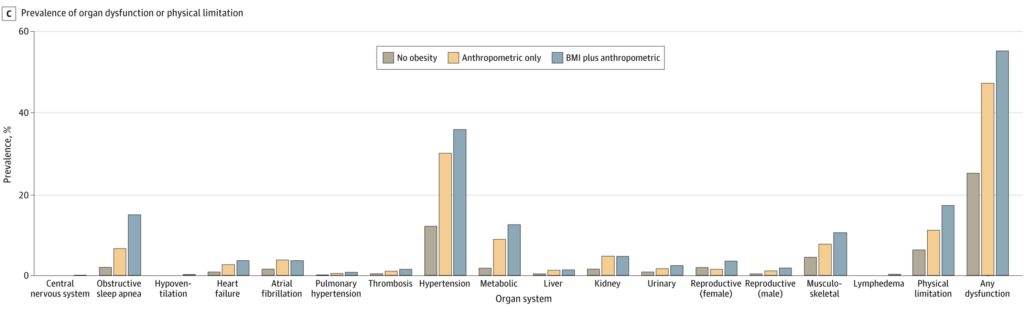
These findings demonstrate that traditional approaches focused on BMI ignore a significant at-risk population, especially older patients and certain ethnic groups (e.g., Asians), who often have increased visceral fat accumulation despite low BMI. This underscores the need for personalized screening and therapeutic intervention strategies.
Source: JAMA
