


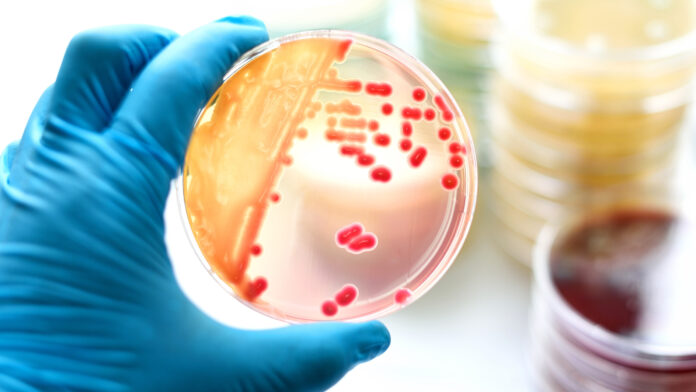
For decades, antibiotics were considered the “miracle cure” of modern medicine. They significantly reduced mortality from infectious diseases and enabled complex surgeries, transplants, and intensive care. However, in the second half of the 21st century, humanity faces a new, invisible threat—Antimicrobial Resistance (AMR), often called the “silent pandemic.”
According to 2025 WHO data, every sixth laboratory-confirmed bacterial infection worldwide is already resistant to standard antibiotics. The IHME estimates that AMR-associated deaths exceeded 1.14 million in 2021 and could rise to 2 million annually by 2050.
Against this global backdrop, Georgian medicine quietly but proudly offers its contribution. Currently, infectious disease specialist Mariam Gulua and therapist Mariam Dadiani from the Eliava Phage Therapy Center discuss the severity of resistance and the unique potential of the future.
What Drives Antibiotic Resistance?
Dr. Mariam Gulua identifies several key factors:
-
-
Overuse and Misuse: Particularly during viral infections (e.g., the COVID-19 pandemic), where antibiotics are ineffective against viruses.
-
Premature Cessation of Treatment: Stopping medication as soon as symptoms improve allows the strongest bacteria to survive and evolve.
-
Agriculture: Antibiotics used for growth stimulation in livestock create reservoirs of resistant bacteria that enter the human food chain.
-
Weak Hospital Control: Poor sterilization and hand hygiene facilitate the spread of “superbugs.”
-
Natural Evolution: Bacteria are highly adaptable. As Louis Pasteur said, “The role of the infinitely small in nature is infinitely great.”
-
Bacteriophages: The “Forgotten Future”
Dr. Mariam Dadiani explains that bacteriophages (phages) are viruses that specifically target and destroy “bad” bacteria. Discovered before antibiotics, they were sidelined after Alexander Fleming’s discovery of penicillin. Now, 100 years later, global interest has been reignited.
Can phages replace antibiotics? “Phages will not fully replace antibiotics,” says Dadiani. Antibiotics remain vital for acute cases where immediate results are needed. However, phages are superior for:
-
Chronic infections where antibiotics have failed.
-
Biofilm-associated infections (e.g., prosthetics, fistulas).
-
Cases with severe antibiotic allergies.
Advantages of Phages:
-
High specificity (they don’t kill “good” gut bacteria).
-
Minimal side effects.
-
Ability to create “custom” phages for specific resistant strains using the Eliava Institute’s century-old library.
International Interest and State Role
Patients from over 80 countries (USA, Germany, France, etc.) travel to Georgia as a “last hope.” While Western countries are slowly adopting phages under “compassionate use” regulations, Georgia holds a unique leadership position that requires state support and GMP-standard upgrades to maintain its competitive edge.
